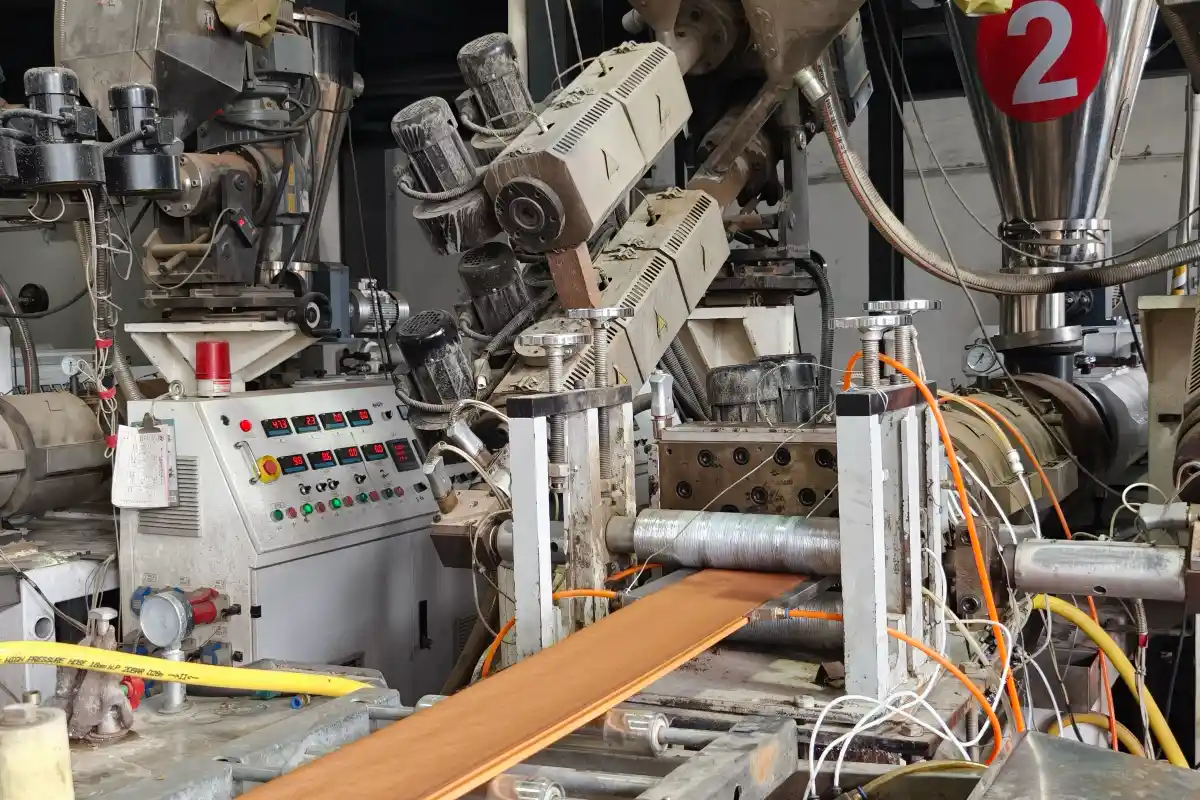
WPC Fence Systems for Wholesale & Projects

Composite Fence Manufacturer in China

Green Covering is a WPC fence manufacturer and composite fence factory in China, producing fence boards and coordinating the posts, rails, caps and related components required for complete outdoor fencing systems. We support importers, distributors, wholesalers and project buyers with profile selection, color coordination, samples, OEM requirements, packing and export order preparation.
Traditional & Co-extruded WPCBoards, Posts, Rails & CapsOEM, Packing & Private Label

Share the intended application, fence height, privacy requirement, target market and estimated quantity. We can help identify the remaining decisions before samples or a quotation are prepared.
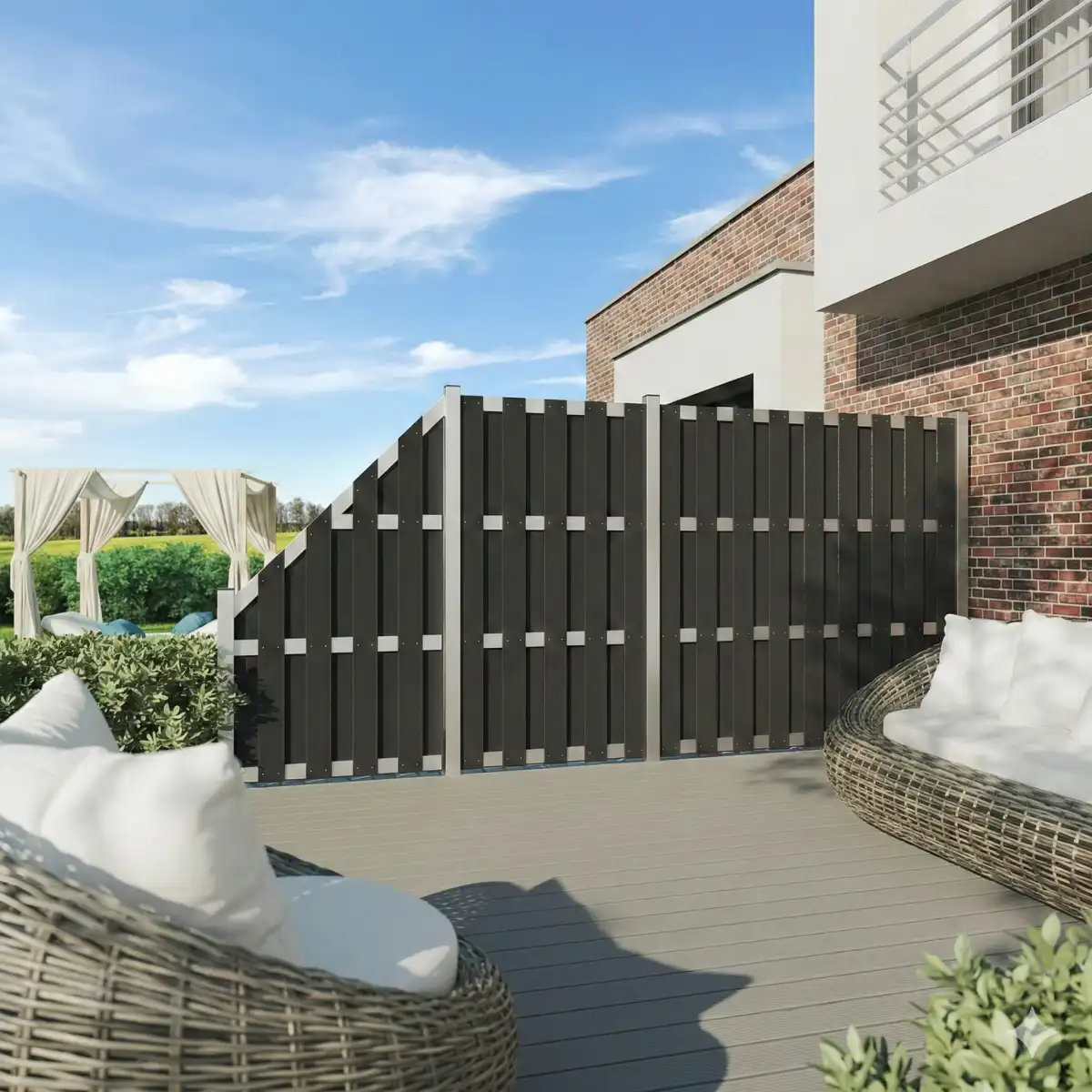
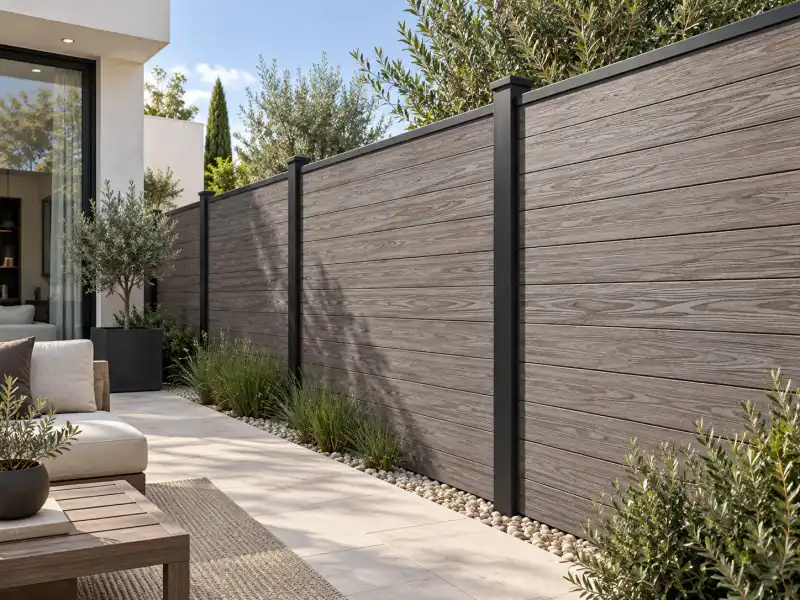
Complete WPC composite fence system with boards posts rails and caps
Understanding the Complete Fence System

What Is a WPC Composite Fence?

A WPC composite fence is an outdoor boundary or privacy-screen system made with wood-plastic composite boards together with compatible posts, rails, caps, connectors and fixing components. The boards combine wood-based fibre, thermoplastic material and performance additives. The suitability of the finished fence depends on the selected profile, support structure, post spacing, reinforcement, installation method and local project conditions—not on the term “WPC” alone.

Composite fencing can be configured as a more open decorative boundary, a semi-private screen or a full privacy fence. Board direction, panel width, post design and accessory selection differ between systems, so a fence should be specified as a coordinated assembly rather than as an isolated board.

Compared with untreated natural wood, WPC fence profiles are moisture-resistant, mildew-resistant and splinter-free, helping reduce routine surface maintenance. Green Covering’s WPC material systems have been evaluated through water-absorption, boiling, artificial-weathering, color-change, fungi-resistance and abrasion testing. Correct storage, installation clearances, drainage and structural support are still required for the complete installed fence.

Specify the System Before the Color

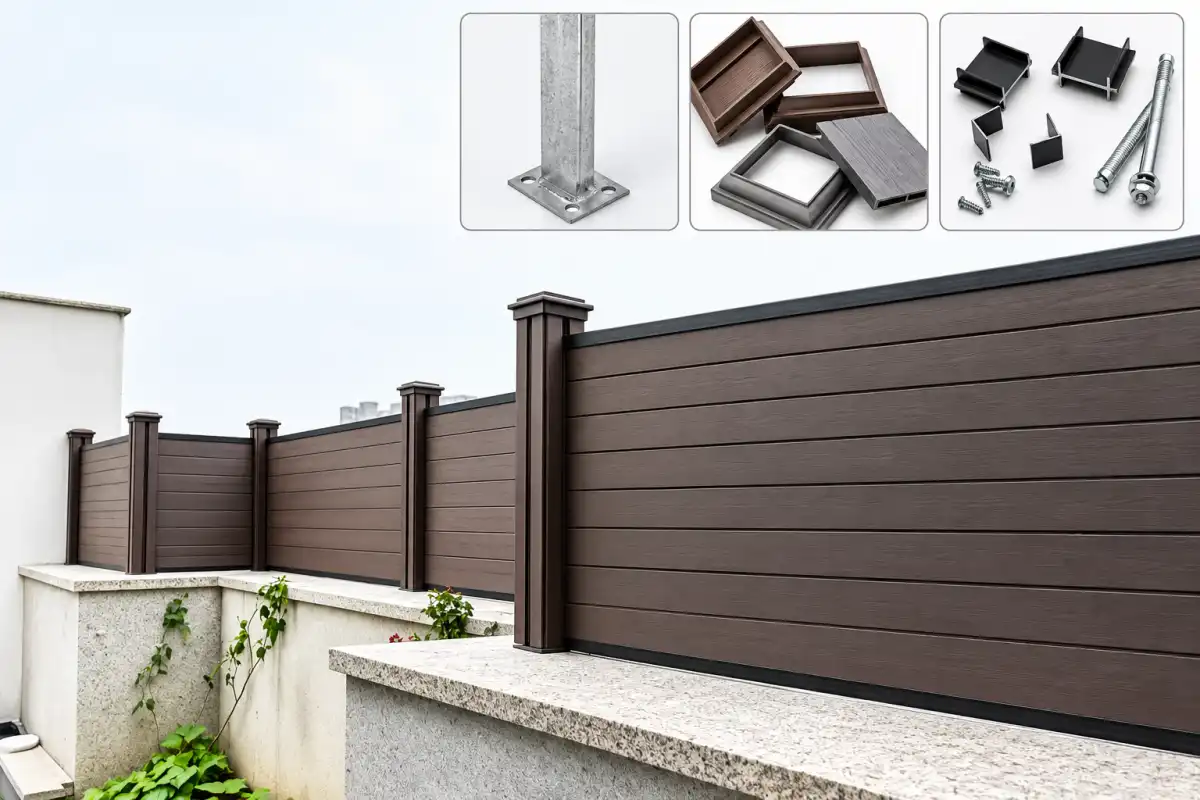
Components of a Complete WPC Fence System

The visible fence board is only one part of the finished installation. Component availability and interface details should be confirmed for the selected series before the layout, quantity or quotation is finalized.
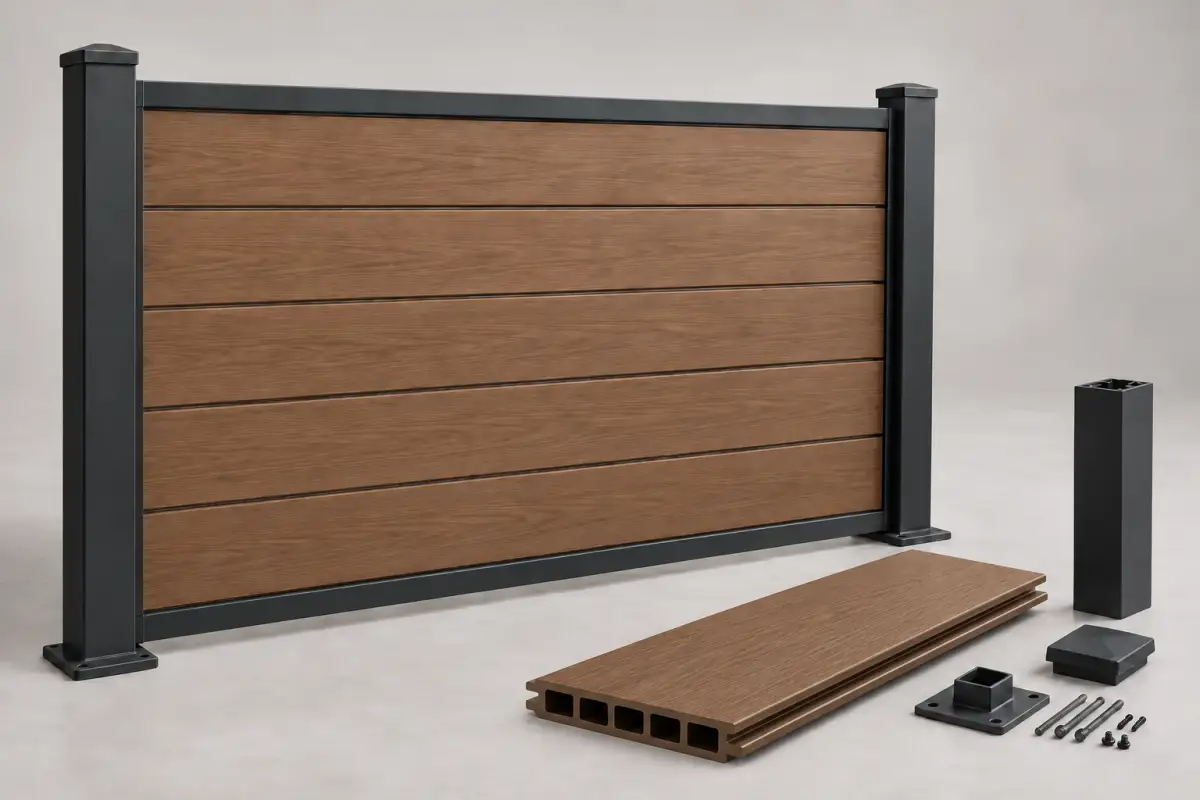
Composite fence system parts including WPC boards posts rails caps and connectors
Specify the complete assembly. Start with the intended use, privacy level, finished height and site exposure, then match the fence boards with compatible posts, rails, caps and fixing components. This prevents the quotation from being based on an isolated profile that does not fit the required system.

Fence boards or panels

Boards create the main visual and privacy surface. They may run horizontally or vertically, form a close privacy screen or use controlled spacing for a more open boundary. Check the exact profile, effective coverage, surface direction and cutting length.

Posts

Posts transfer loads into the supporting foundation or base connection. Post section, material, spacing, fixing method and internal reinforcement should suit the fence system, finished height, wind exposure and project requirements.

Rails and support profiles

Top, bottom or intermediate rails locate the boards and connect the panel area to the posts. Some systems use channels or other profiles instead of conventional rails, so interfaces must match the selected boards and posts.

Caps and finishing profiles

Post caps, end covers, trims and corner details finish exposed edges. The component list should reflect straight runs, corners, level changes, ends and any other visible transition.

Connectors and fixing components

Brackets, screws, anchors, base plates and internal connectors vary by design. Their material, coating and suitability for the installation environment should be checked against the project requirements.
System note: WPC profiles should not automatically be treated as structural load-bearing members. Metal reinforcement, engineered posts, project-specific foundations or connection calculations may be required, particularly for taller fences, exposed sites, gates and commercial projects.
Select by Function, System and Market

WPC Fence Board and Profile Options

Green Covering produces multiple traditional and co-extruded WPC profiles that may be used within fencing, screening and landscape systems. The correct option depends on the required privacy, appearance, dimensions, support design, order volume and compatible components.
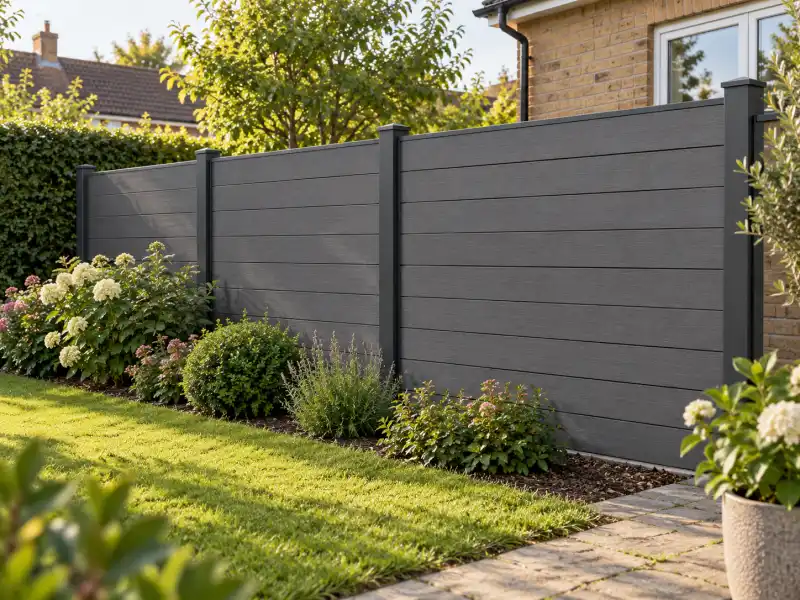
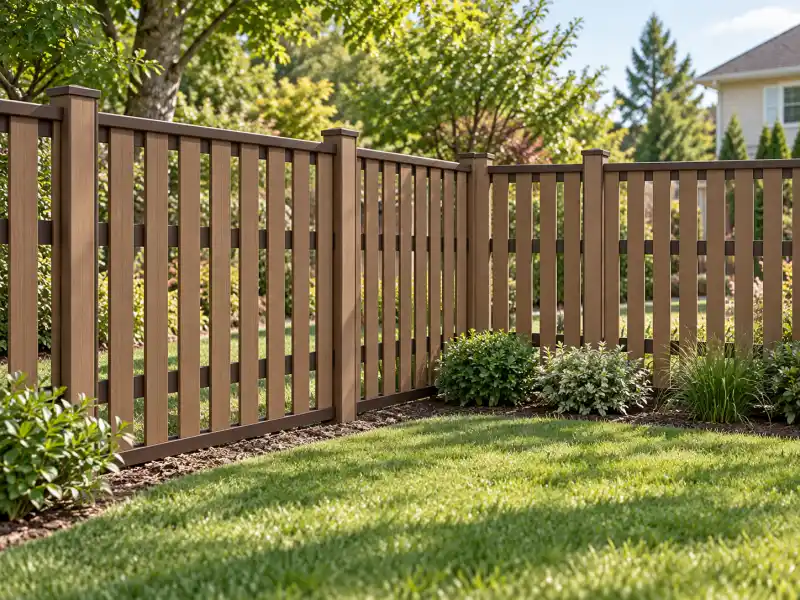
Traditional WPC fence installed as a residential garden boundary

Traditional WPC fence profiles

Traditional WPC profiles provide a consistent composite body with moisture and mildew resistance for outdoor use. They can be supplied in different cross-sections, sizes and surface directions for buyers seeking established profiles, reduced routine maintenance and a practical balance between appearance, system design and purchasing requirements.
Co-extruded composite privacy fence installed around a modern property

Co-extruded fence boards

Co-extruded profiles, also called capped composite profiles, add a protective outer layer around the composite core. This surface system improves resistance to UV exposure, color fading, moisture, staining and surface abrasion compared with traditional uncapped profiles, making it suitable for projects that need enhanced outdoor surface performance.
Open slat WPC fence used as a decorative outdoor screen

Open slat and privacy configurations

Narrow slats with controlled spacing create a more open decorative screen. Closely assembled or interlocking boards provide greater visual privacy. The correct configuration should be selected before calculating board quantities and post spacing.
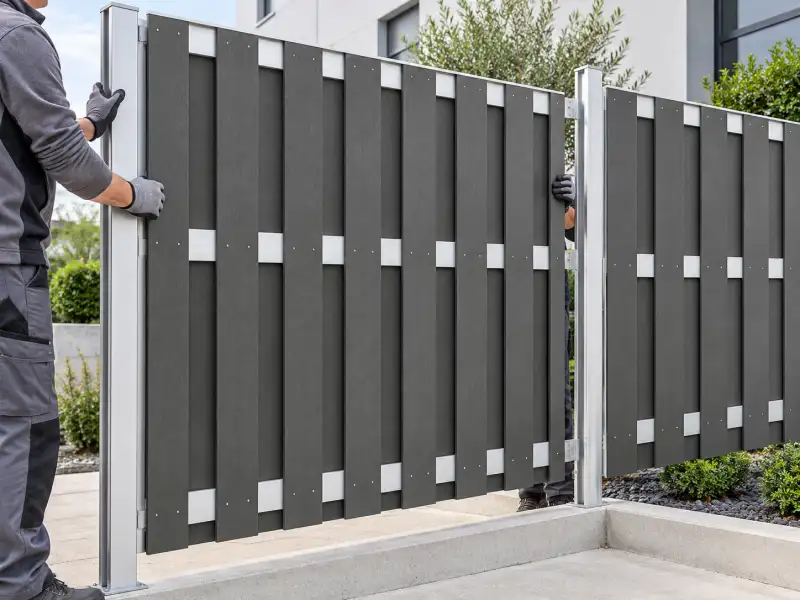
Modular WPC fence board connected to a compatible post and rail

Modular and quick-assembly profiles

Some profiles are intended for more standardized or modular assemblies. Before committing to a system, check the mating details, orientation, available posts and rails, cutting plan and replacement-component strategy.
Representative Factory Profile References

Available Fence Board Profiles

The images below are reserved for real Green Covering product photographs. They show representative dimensions and surface directions; the final model, effective coverage, unit weight, color and compatible accessories should be confirmed against the current catalogue and approved sample.
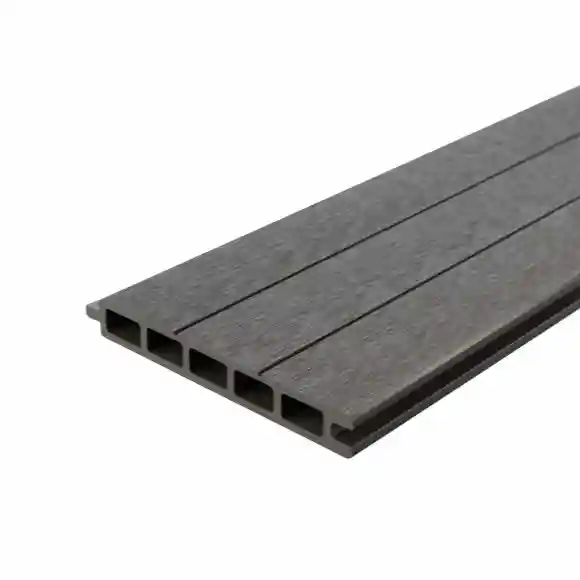
Hollow WPC fence board profile reference in 160 by 20 millimetres

160 × 20 mm profile

Reference: C.X.160H20
Hollow fence-board reference with an interlocking edge. Confirm the exact surface, weight and effective coverage for the selected series.
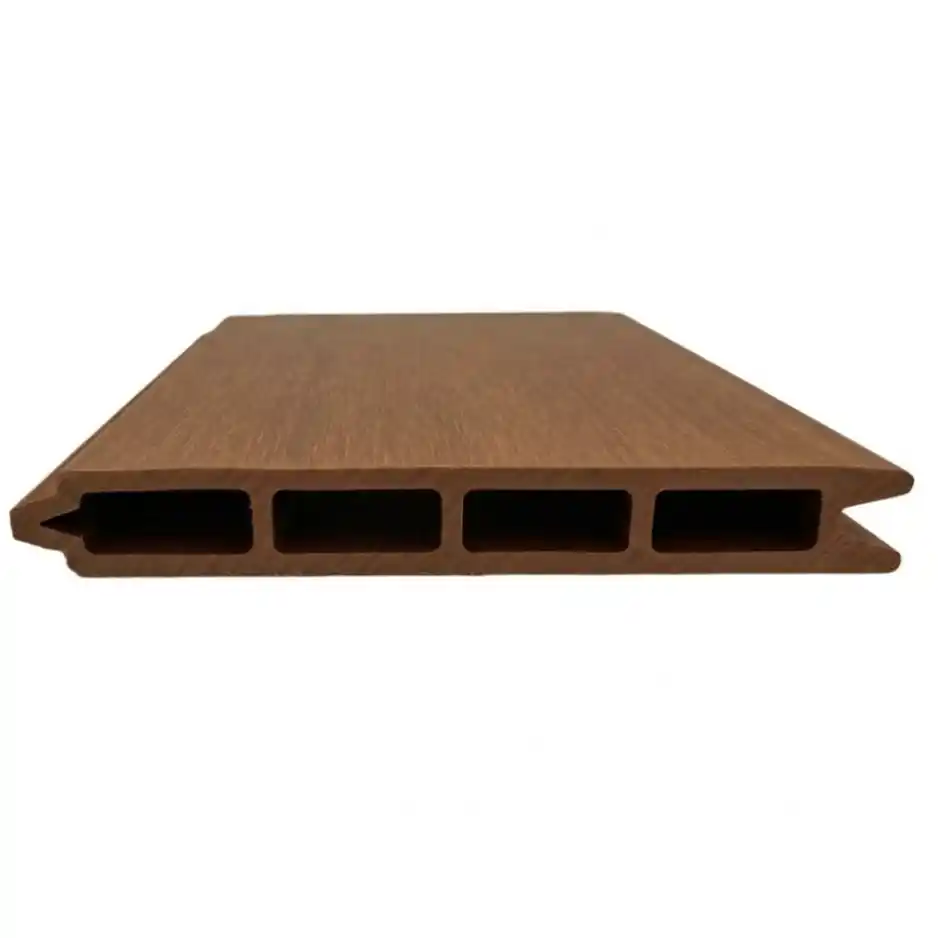
Slim WPC fence board profile reference in 152 by 12 millimetres with a ribbed surface

159 × 20 mm profile

Reference: C.X.159H20B
A slimmer hollow-board direction shown with a fine ribbed surface. Check the current drawing before quantity calculation.
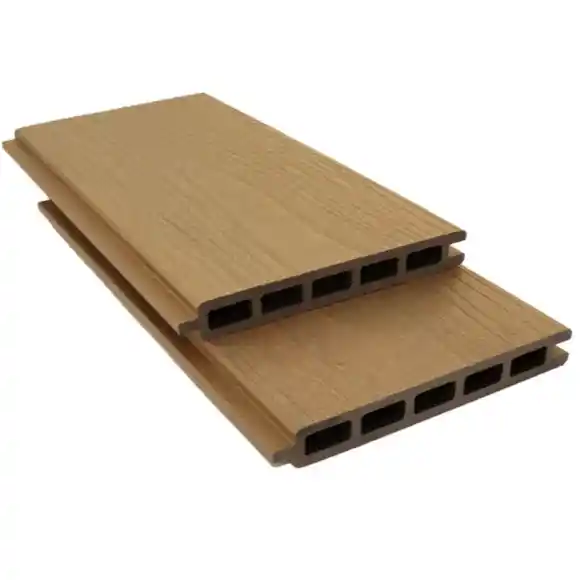
Slim WPC fence board profile reference in 152 by 12 millimetres with a brushed surface

160 × 20 mm surface option

Reference: C.X.160H20B-2
The same nominal size can use a different visible surface direction. Approve the physical color and texture on the selected profile.
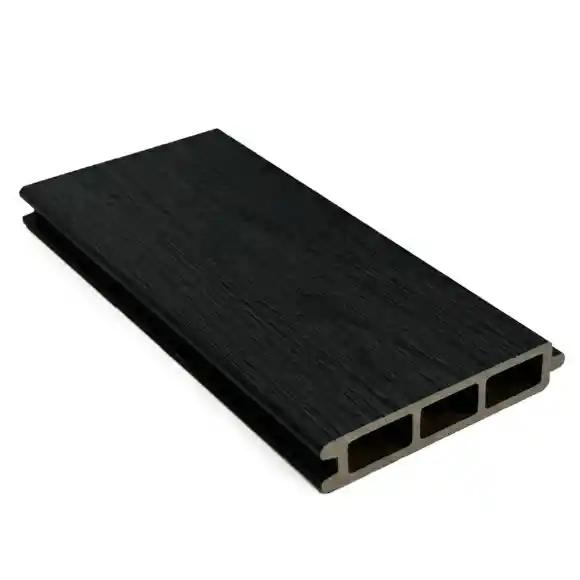
Cross-section and surface detail of a 152 by 12 millimetre WPC fence board

160 × 22 mm profile detail

Reference: C.X.160H22 sample
Use this position for the clearest cross-section or weight-reference photograph, so buyers can compare the actual core and edge geometry.
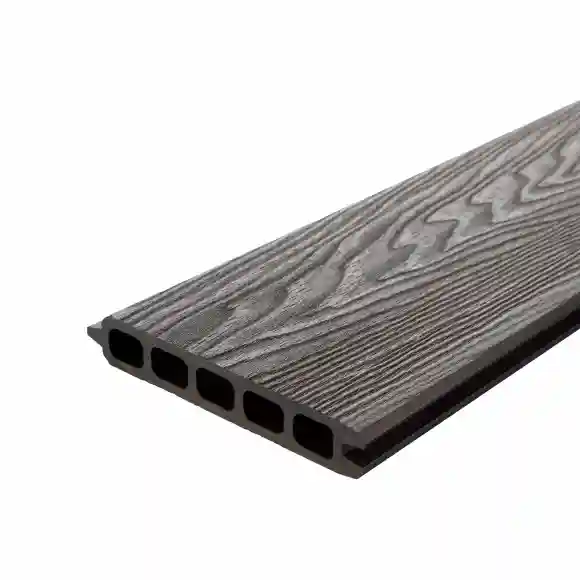
Hollow WPC fence board profile reference in 160 by 25 millimetres

160 × 25 mm profile

Reference: C.X.160H25
A deeper hollow-board reference for fence and screening systems. Confirm orientation, mating detail and compatible support profiles.
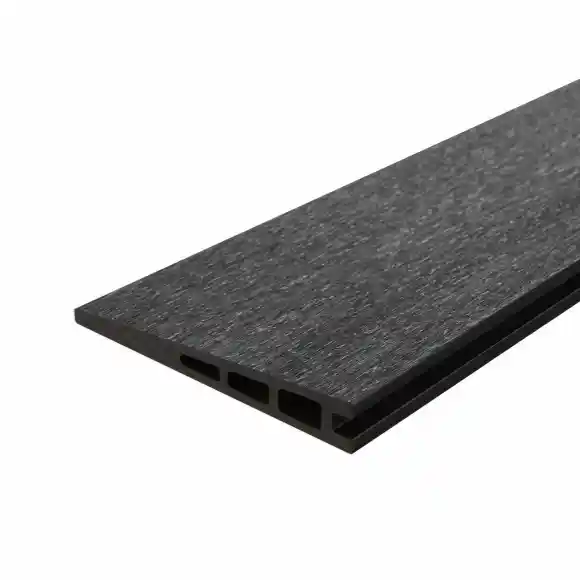
Hollow interlocking WPC fence board profile reference in 160 by 25 millimetres

160 × 25 mm A profile

Reference: C.X.160H25A
An alternative edge and interlocking direction within the same nominal size family. Do not substitute it without confirming the matching system.
Additional profiles are available: Ask for the current fence catalogue when a different width, thickness, surface, post or rail section is required. Do not select a fence solely from a lifestyle photograph; request the exact profile drawing, effective coverage, component list and proposed installation arrangement.
Control the Visible Details

Coordinate Color, Surface and OEM Requirements

Color and surface appearance matter, but they should be confirmed after the fence system and profile have been selected. One color name does not guarantee an identical appearance across different formulations, surfaces, production runs or product families.
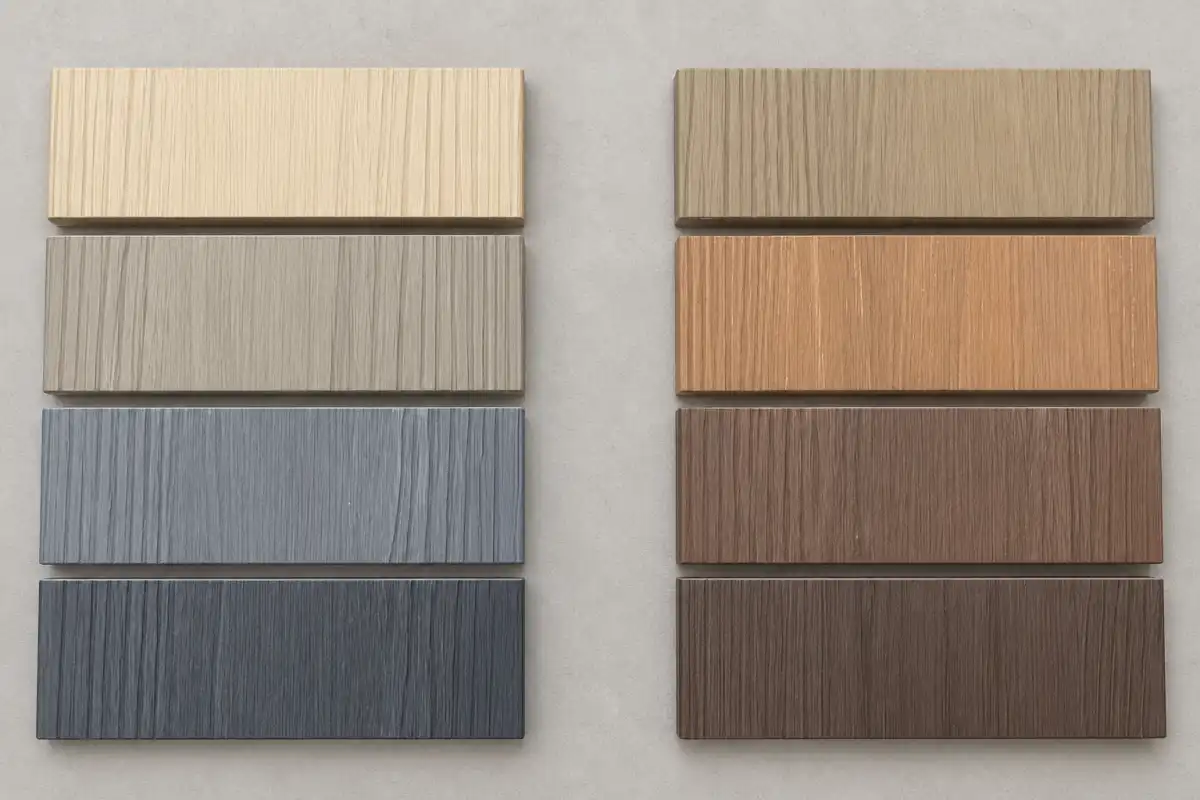
Use an approved physical reference. Website images and screen colors can guide the initial discussion, but final approval should be tied to the selected profile, specification and physical sample.
WPC fence color surface and profile samples prepared for buyer approval

Color direction

Provide a catalogue color, physical reference, photograph or target color direction where possible. Evaluate matching on the selected profile because geometry and surface treatment affect the final appearance.

Surface texture

Available surfaces may include smooth, brushed, grooved or embossed directions, depending on the model and product series. Review a physical sample under suitable lighting before approval.

Profile and length coordination

Check the board cross-section, effective width, cutting length and corresponding post or rail system. Custom development and non-standard dimensions depend on tooling feasibility, volume and technical review.

OEM and packing

For distributor and private-label orders, share label content, bundle requirements, pallet needs, identification marks and destination handling conditions. Packing should suit the profile length, accessory mix and loading plan.
Designed Around the Intended Use

Where Composite Fencing Is Used

WPC fencing can serve different visual and functional roles. The application determines the appropriate privacy level, fence height, spacing, support system and documentation to confirm.
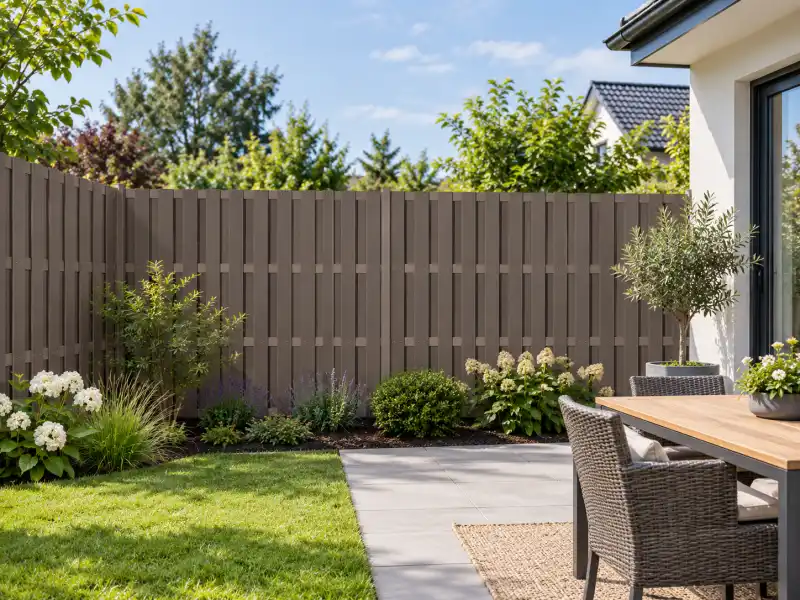
Composite privacy fence installed around a residential garden

Residential gardens and property boundaries
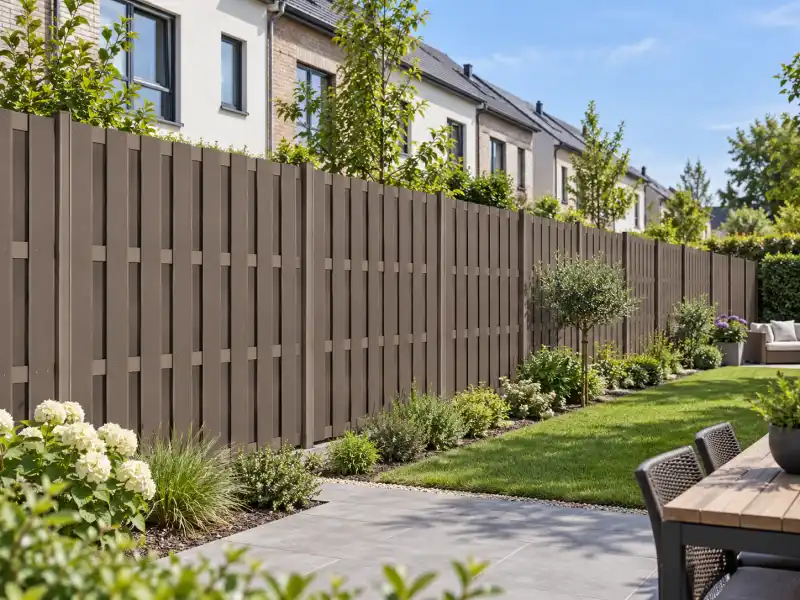
Privacy panels and decorative fence systems can define gardens, patios and residential boundaries. Confirm gate locations, corners, level changes and the relationship with adjoining walls or landscaping.
WPC fence installed as a housing development boundary

Housing and development projects

Repeated fence runs require consistent profiles, colors, post spacing and component availability. A sample section or trial assembly can help confirm the appearance and interface before larger-volume production.
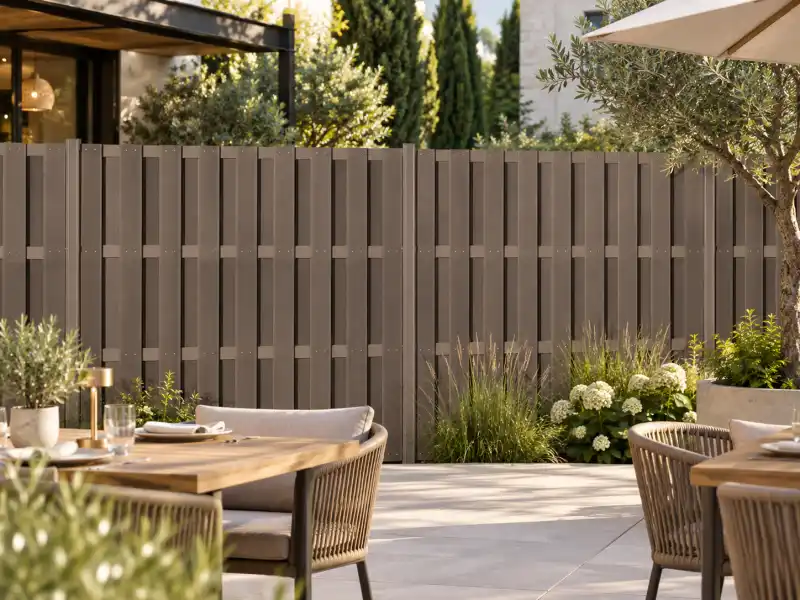
Composite fence used as a commercial landscape screen

Commercial and hospitality landscapes
Restaurants, hotels, leisure areas and commercial landscapes may use composite fencing for privacy, screening or visual separation. Consider public access, maintenance planning, fixing details and market-specific requirements.
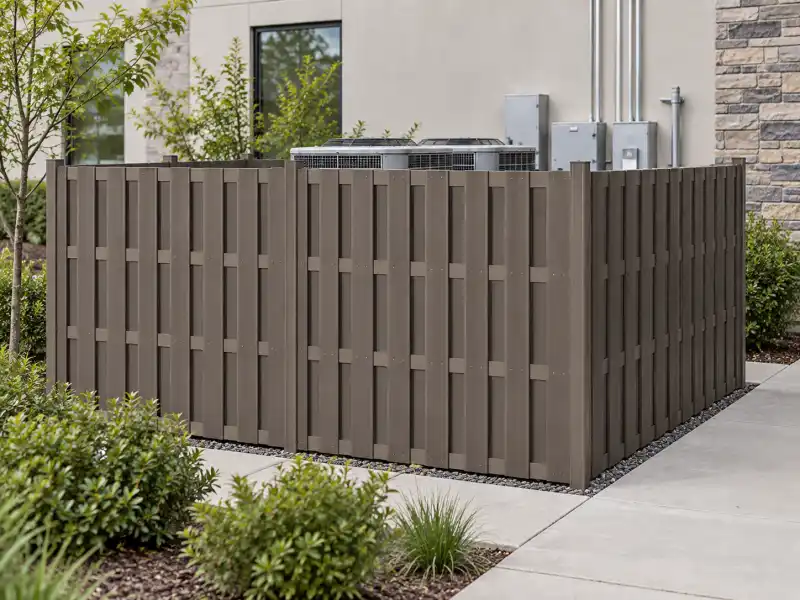
WPC fence used to screen an outdoor utility area

Pools, utility areas and outdoor screens

Fence systems may be used to screen equipment, service areas or selected outdoor zones. Pool barriers, guards and other safety-related fences are regulated applications; the complete design must be checked against local codes and project requirements rather than assumed compliant from the panel material alone.
Application warning: For farms, playgrounds, pool barriers, elevated edges, security fencing or other regulated uses, clearly state the required function. A decorative WPC fence profile should not be represented as a safety barrier or structural guard without appropriate design, testing and approval.
Compare More Than the Panel Price

How to Select a WPC Fence System

The most suitable system is the one that matches the project function, installation design and purchasing conditions. Work through the following decisions before comparing final quotations.

01

Define the purpose and privacy level

State whether the fence is decorative, semi-private, fully private or intended to screen a particular area. This determines the board arrangement, spacing and effective coverage.
02

Confirm the finished height and layout

Provide the intended height, total fence length, number of straight runs, corners, ends and gates. A finished height of around 1800 mm is a common enquiry, but it is not a universal standard and does not determine the profile or post spacing by itself.
03

Describe the site conditions

Include ground or base conditions, wind exposure, moisture, sunlight, temperature range, coastal or corrosive conditions and any unusual site constraints. Taller or more exposed fences may require stronger posts, closer spacing or internal reinforcement.
04

Select the board and surface system

Confirm the traditional or co-extruded product family, exact profile, surface direction, color and effective coverage. Request the current drawing and sample for the model being quoted.
05

Coordinate posts, rails and accessories

List the required posts, rails, caps, trims, connectors, anchors and spare components. Check how corners, ends, changes in level and gates will be handled.
06

Confirm evidence and commercial requirements
State any required test standard, market-entry document, inspection condition, packing mark, private-label need, destination port and order timing. Performance statements should be connected to the exact model and available documentation.
WPC fence boards installed with posts rails and compatible fixing components
The Installation System Affects the Finished Result

Plan Posts, Spacing, Reinforcement and Movement

Composite fence boards are part of an outdoor system that moves under temperature and moisture changes and is exposed to wind and site loads. Correct layout and support are therefore as important as the visible panel.

The installation plan should be based on the exact fence system, finished height, site exposure and base condition—not copied from a generic panel arrangement.

Foundation and post fixing

Posts may be embedded, fixed to a suitable base or connected through a project-specific support detail. The method must match the ground or structural base, fence height, wind exposure and local requirements.

Post spacing

Post spacing affects panel span, movement, stiffness and quantities. Use the recommendation for the exact fence system and adjust it when engineering or site conditions require another arrangement.

Reinforcement

Some post, rail or gate conditions may require metal reinforcement. Agree the reinforcement material, size, corrosion protection and connection method before production and installation.

Expansion and drainage

Allowances around boards, rails, posts and end conditions must follow the selected profile and installation guidance. Avoid details that trap water or prevent normal movement.

Gates, corners and level changes

These conditions need more coordination than a straight run. Provide drawings or dimensions early so posts, framing, hinges, latches and finishing profiles can be reviewed together.
Important installation note: Project drawings, local regulations and the instructions for the selected product take priority over general website guidance. Final structural suitability remains the responsibility of the project’s qualified designer or installer where engineering review is required.
Factory inspection of an extruded WPC fence profile and approved sample
Control the Details That Repeat Across the Order

How Green Covering Manages WPC Fence Quality

Fence consistency depends on the material formula, extrusion conditions, profile dimensions, surface treatment, color direction, component fit and packing—not on one general marketing claim. Quality requirements should be connected to the approved sample and the exact models included in the order.

Production reference: Record the selected board, post, rail and accessory models together with drawings, dimensions, colors, surfaces, quantities, packing requirements and an approved sample before mass production.

Profile and dimensional control

Checks cover the relevant cross-section, key dimensions, visible surface condition and consistent extrusion. Inspection points differ between thin slats, wider panels, posts and rails.

Color and surface coordination

Compare production with the approved reference under consistent viewing conditions. Where components appear together, agree the intended color relationship between boards, posts, rails and caps.

System fit and trial assembly

Review interfaces between boards, rails, posts, caps and connectors. A trial assembly or sample panel is especially useful for a new combination, custom profile or project-specific detail.

Packing and identification

Long profiles and mixed accessories need identification and protection for loading, transport and site handling. Agree bundle quantities, labels, marks, pallets, accessory cartons and spare-part needs.

Material and performance testing

Green Covering maintains third-party reports covering applicable WPC material systems and test items such as water absorption, boiling and moisture-related dimensional behavior, artificial weathering and color change, fungi resistance, abrasion, RoHS and SVHC. The relevant documents can be matched to the selected product and target-market requirement during the enquiry.
Factory note: Green Covering has more than 17 years of manufacturing experience and operates multiple WPC extrusion lines. Production capacity does not replace specification control: every quotation and quality plan should still be tied to the exact product, approved reference and order requirements.
Prepare a More Accurate Fence Enquiry

What to Include When Requesting a WPC Fence Quote

You do not need a finished specification before contacting us. Share what is already known, and we can identify the missing product, system and commercial decisions before preparing samples or a quotation.

Application

Tell us whether the fence is for a residential boundary, housing development, hospitality landscape, utility screen or another use. Add a preferred model or reference image if available.

Finished Height

Share the approximate installed height and any height limits. This helps review board orientation, post spacing, reinforcement and support requirements.

Total Length & Layout

Provide the total fence length plus the number of straight runs, corners, ends, gates, slopes or level changes, even when the layout is only an initial estimate.

Privacy Level

Indicate whether the project needs an open slat screen, a semi-private boundary or a closely assembled full-privacy system.

Color & Surface

Share a preferred color and texture, or send a physical sample or reference photograph. Final approval should be tied to the selected profile and approved sample.

Destination & Quantity

Include the estimated quantity, destination country and port, plus any packing, labels, private-label, documentation or delivery-time requirements already known.
Start with what you know: Application, approximate height, total length, privacy direction, preferred color and destination are enough for an initial review. Drawings, exact profiles, components and technical points can be confirmed afterwards.

What happens next

1. Review

We review the application, fence layout and available reference information.
2. Shortlist

Suitable existing systems or development directions are shortlisted.
3. Confirm

Profiles, components, samples and commercial requirements are confirmed.
4. Coordinate

Production and quality requirements are connected to the approved reference.
5. Prepare shipment

Packing, loading and dispatch information are confirmed before shipment.
WPC Fence Buyer Questions

Frequently Asked Questions About Composite Fencing

A WPC fence is an outdoor boundary or screening system that uses wood-plastic composite boards with compatible posts, rails, caps and fixing components. Its performance depends on the complete profile and installation system rather than on the WPC material name alone.
WPC fence boards are water- and moisture-resistant for outdoor use and do not absorb moisture in the same way as untreated natural wood. Co-extruded or capped profiles add a protective surface layer for improved UV and fade resistance. The complete installation still needs suitable drainage, expansion allowances, fasteners, foundations and end details.
It may. Reinforcement requirements depend on the post and rail profiles, fence height, post spacing, wind exposure, gates, fixing method and local design requirements. WPC profiles should not automatically be treated as structural load-bearing members.
An approximately 1800 mm finished height is a common project request, but height alone is not a complete specification. The board arrangement, post section, post spacing, reinforcement, foundation and wind conditions must also be reviewed before confirming the system.
Traditional WPC profiles have a consistent composite body and provide moisture and mildew resistance with reduced routine maintenance. Co-extruded profiles add a protective outer layer and are also called capped profiles, improving resistance to UV exposure, fading, staining and surface abrasion. Available colors, textures and profile designs differ by series.
Color direction, surface, length, profile selection, labels and packing can be coordinated for suitable orders. New profiles or non-standard dimensions require tooling and feasibility review, and minimum quantities depend on the requested color, product and development scope.
Provide the total fence length, finished height, number of corners and ends, gate requirements, selected board direction and the proposed post spacing. Quantities should include boards, posts, rails, caps, connectors, anchors and an agreed allowance for cutting or spare components.
Yes, available profile and color samples can be prepared after the product direction is narrowed. For a new system or custom combination, a sample panel or trial assembly may be more useful than an isolated board because it shows the component interfaces and overall appearance.
Confirm the exact board, post, rail and accessory models; drawings and dimensions; color and surface references; quantities; labels and packing; required documentation; and the approved physical sample. These references should be recorded as part of the order specification.
Continue Your WPC Product Review

Compare Related WPC Product Systems

Composite fencing is one part of Green Covering’s outdoor WPC range. Use the product hub for an overview, or visit the dedicated decking pages when the project also includes horizontal walking surfaces.

Factory-Direct WPC Fence Supply

Discuss Your WPC Fence Requirement

Tell us where the fence will be used, the approximate height and total length, the required privacy level, preferred color and destination market. Green Covering can help you compare suitable profiles and prepare the component, sample and quotation information for the next step.