Wood Plastic Composite Products for Wholesale & Projects

Wood Plastic Composite (WPC) Manufacturer in China

Green Covering manufactures wood plastic composite products for outdoor decking, fencing, wall cladding and pergola applications. We support importers, distributors and project buyers with product selection, profile and color coordination, samples, packaging and export order support.

  • Decking, fencing, wall cladding and pergola product categories
  • Multiple profiles, colors and surface options
  • OEM, project coordination and export support

Share the product category, application, target market and estimated quantity. Our team will help narrow the appropriate options before samples or a quotation are prepared.

Wood Plastic Composite Product Range

Wood Plastic Composite Products for Outdoor Applications

Each WPC product family has its own profile, installation and performance requirements. Start with the intended outdoor application, then visit the dedicated product page for detailed selection.
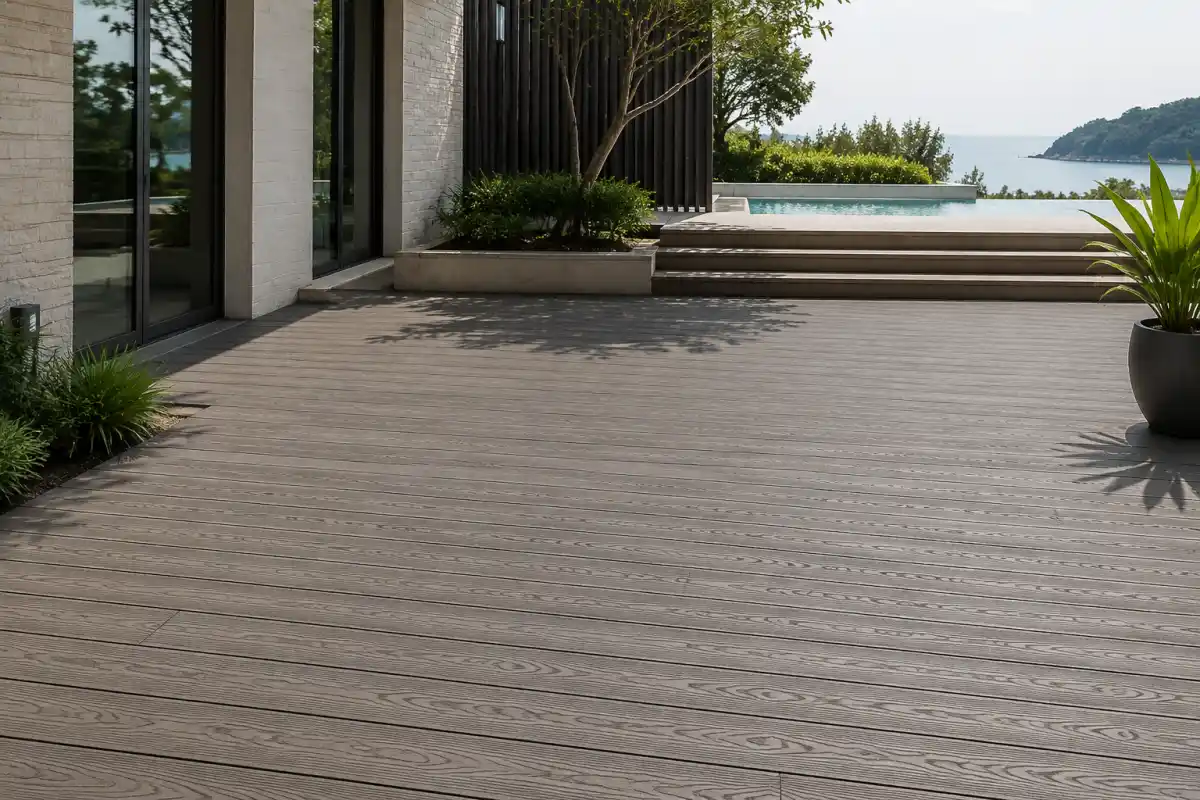
Composite decking installed on an outdoor terrace

Composite Decking

Traditional and capped WPC decking systems for patios, gardens, pool surrounds, balconies and commercial landscape projects. Choose the decking collection first, then confirm the board profile, surface, substructure and compatible installation accessories.

Explore Composite Decking →Compare Deck Board Profiles & Sizes →
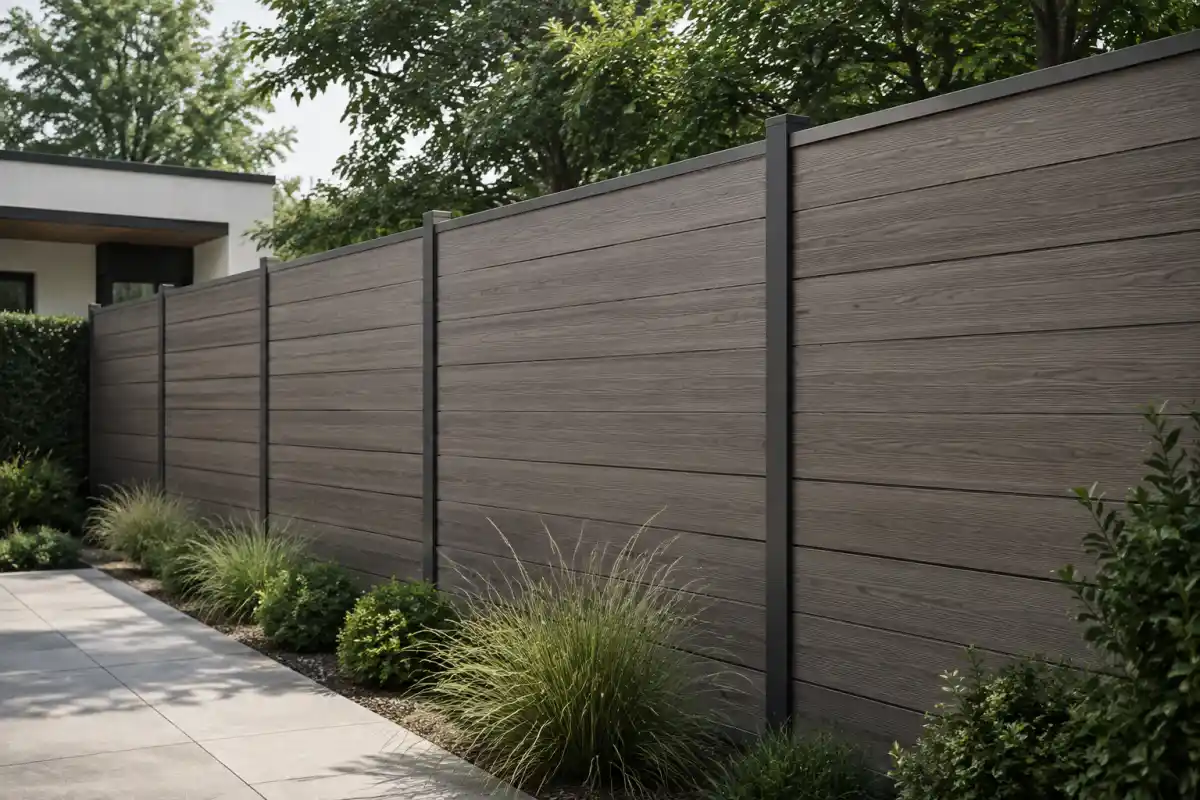
WPC composite fence used as an outdoor privacy screen

Composite Fence

WPC fencing and privacy-screen products for residential boundaries, gardens, developments and outdoor commercial spaces. Product selection should consider the panel or profile design, post and reinforcement requirements, spacing, accessories and local project conditions.

Explore Composite Fence →

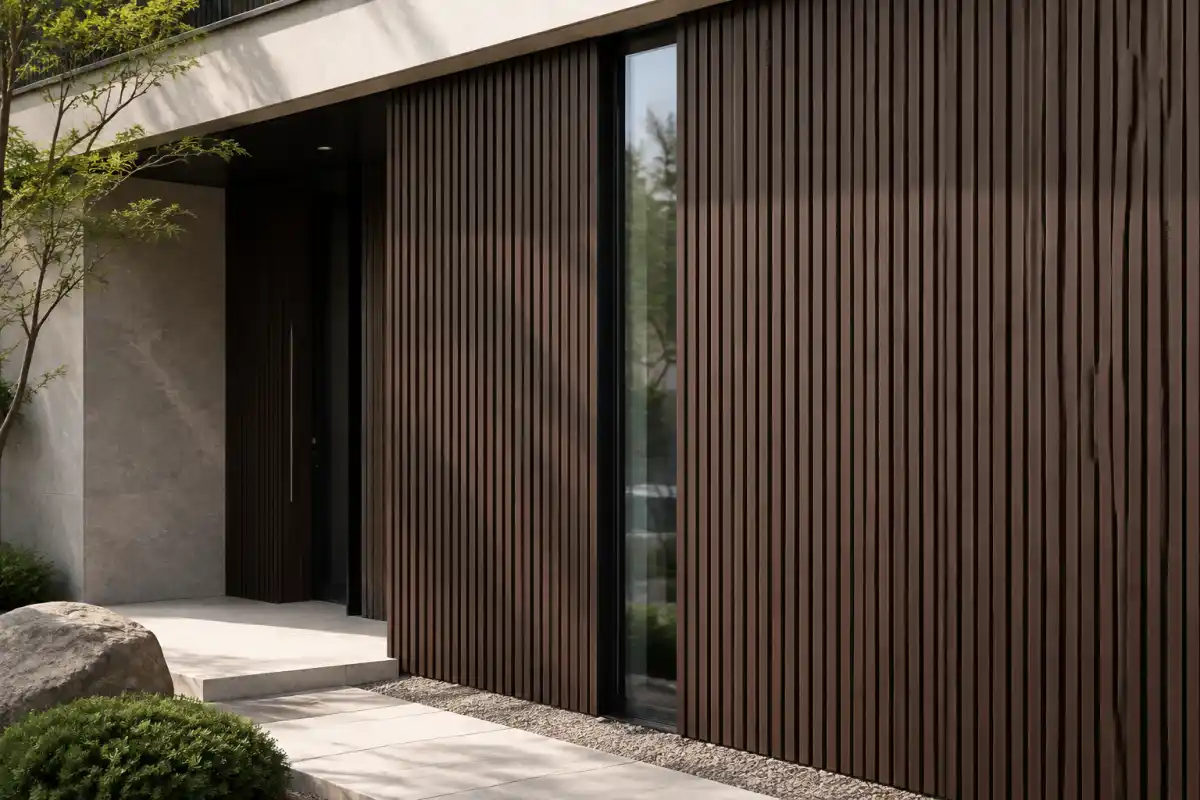
Exterior wall finished with WPC cladding profiles

WPC Wall Cladding

Exterior WPC wall cladding for façades, feature walls and outdoor architectural applications requiring a coordinated wood-look finish. The final system should account for the cladding profile, subframe, ventilation, expansion, corner details and local project requirements.

Explore WPC Wall Cladding →

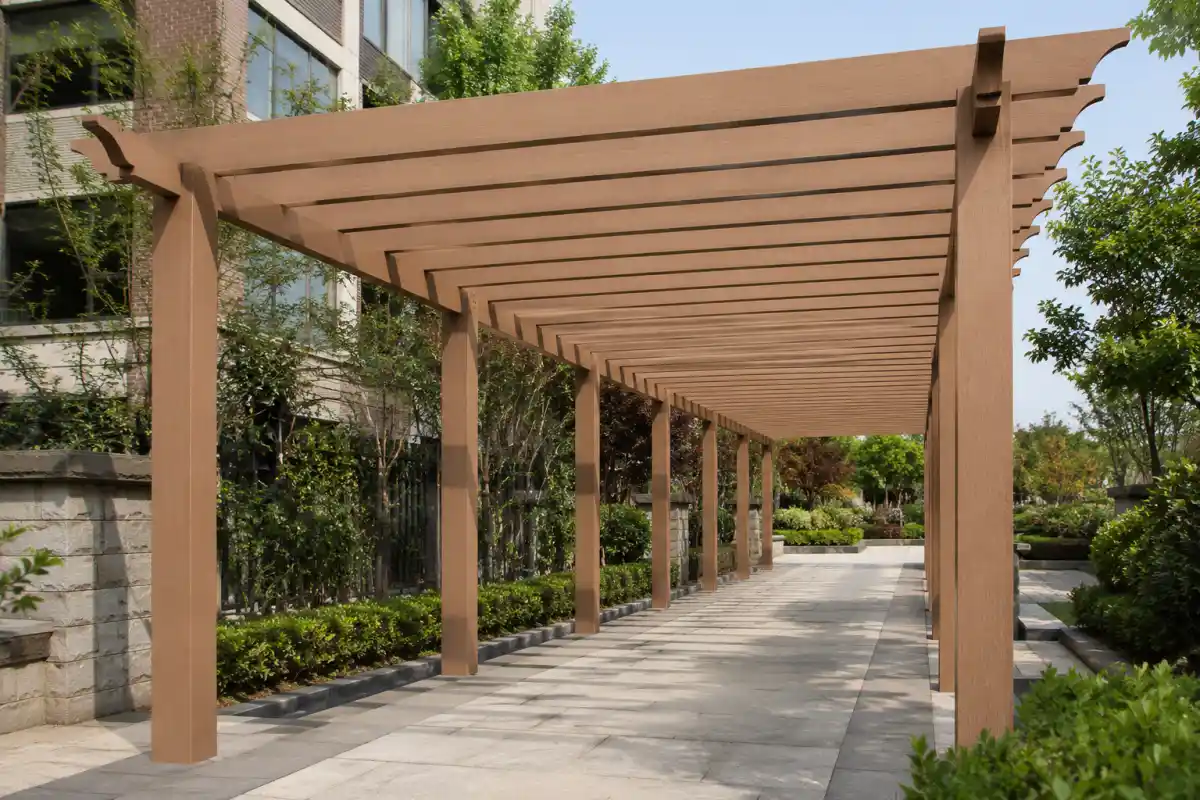
Composite pergola installed over an outdoor terrace

Composite Pergola

WPC pergola profiles and coordinated product options for gardens, terraces, hospitality spaces and landscape structures. Profile construction, reinforcement, span, connections and structural requirements must be evaluated for the individual design.

Explore Composite Pergola →

Not sure which category fits your project? Send a reference photo, drawing or product sample together with the intended application. We can identify the closest existing direction before discussing customization.
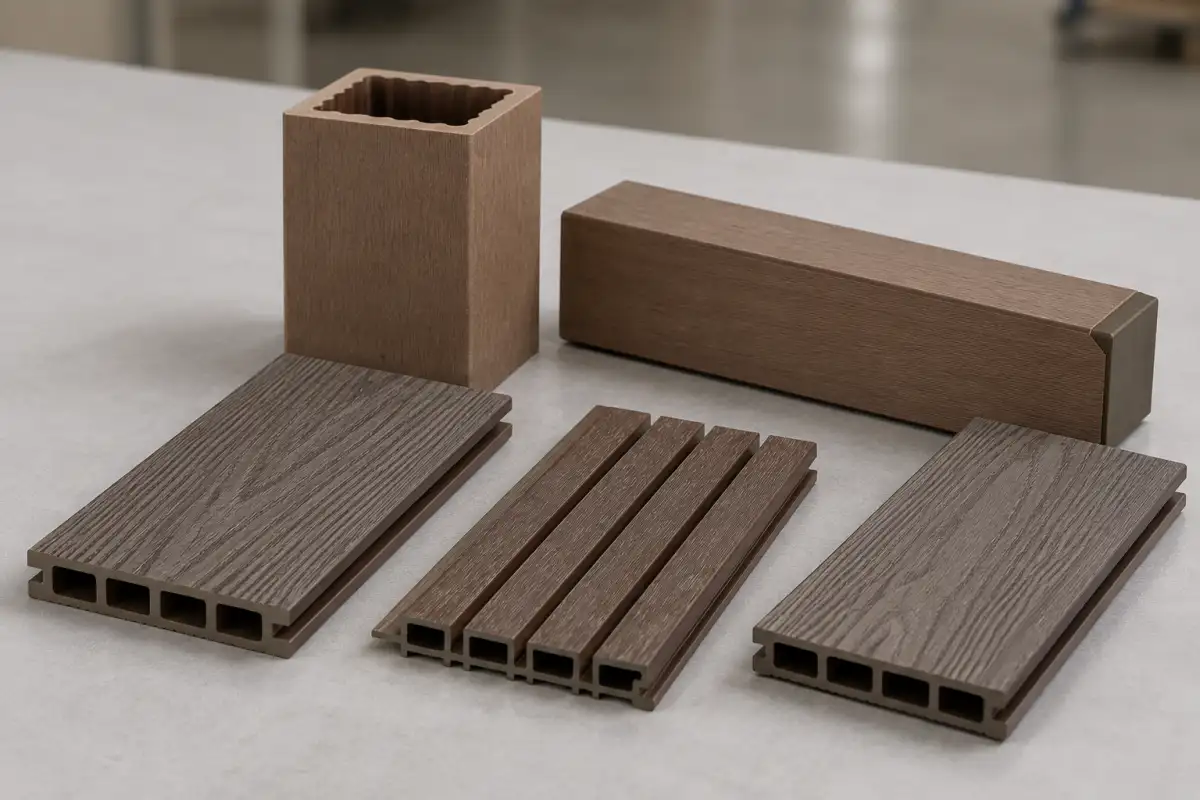
WPC product profile samples for decking, fence and cladding applications

Understanding Wood Plastic Composite

What Is Wood Plastic Composite (WPC)?

Wood plastic composite (WPC) is a material made from wood-based fibre, thermoplastic material and performance additives, commonly formed into profiles by extrusion. For outdoor use, these profiles are engineered into product systems such as decking, fencing, exterior wall cladding and pergola components. Products can differ in formulation, core structure, surface protection, profile design and installation method, so buyers should compare the complete system and verified specifications rather than relying on the WPC name alone.

Combining thermoplastic material with wood-based content allows WPC to be extruded into consistent outdoor profiles in a range of shapes, colors and surface finishes. The exact formulation and profile design vary according to the product series and intended application.

Different Product Functions

A decking board is designed as part of a horizontal walking-surface system. Fence products form boundaries or privacy screens. Cladding is installed as a vertical exterior finish, while pergola products become part of an architectural shade structure. These products may share a material family, but they should not be specified, tested or installed as though they were interchangeable.

Compare the Correct Product Details

Depending on the selected product category and series, options may include different profile structures, surface treatments and protection systems. Detailed decking classifications belong on the Composite Decking page, while individual board dimensions and profiles belong on the Composite Deck Boards page.

One Material Family. Different Systems.

How WPC Outdoor Product Categories Differ

The term WPC describes a material family, not one universal product specification. The intended function determines which profiles, supports, connections and project information must be confirmed.

Product categoryPrimary functionCommon application directionImportant decisions to confirm
Composite deckingHorizontal walking-surface systemPatios, gardens, balconies, pool surrounds and commercial landscapesBoard collection and profile, surface, substructure, support spacing, fasteners, drainage and expansion details
Composite fenceBoundary or privacy-screen systemGardens, housing developments, hospitality areas and commercial outdoor spacesPanel or profile, posts, spacing, reinforcement, gates or accessories, wind exposure and installation design
WPC wall claddingVertical exterior finishFaçades, feature walls, entrances and outdoor architectural detailsCladding profile, subframe, ventilation, expansion, corners, trims and applicable fire or building requirements
Composite pergolaArchitectural shade or landscape structureGardens, terraces, hospitality spaces and landscape projectsProfile construction, reinforcement, span, connections, loading, fixing design and local structural requirements
Important project note: WPC profiles should not automatically be treated as structural load-bearing members. Fence and pergola designs may require metal reinforcement, project-specific connection details or engineering review. Final suitability must be confirmed against the selected profile, installation design, local conditions and applicable requirements.

Choose the System Before the Finish

How to Choose the Right WPC Product for Your Project or Market

Color and wood grain are visible first, but they should not be the first specification decisions. A more reliable selection process starts with the application and installation system, then narrows the profile, surface and commercial requirements.

01

Define the application and environment

State whether the product is for a residential garden, commercial landscape, pool area, façade, boundary, hospitality project or another outdoor use. Include climate, moisture exposure, sunlight, traffic, wind exposure and any project-specific conditions that may affect the system.

02

Select the correct product category

Choose decking for a walking surface, fence products for boundaries or privacy, wall cladding for vertical exterior finishes and pergola products for shade or architectural structures. Avoid selecting by appearance alone when the functional requirements are different.

03

Provide the profile and surface reference

Provide a catalogue model, dimensions, reference drawing, photograph or physical sample where possible. Color, surface texture and appearance can then be discussed within the selected product family. Exact availability depends on the series, tooling and order quantity.

04

Coordinate the support and installation system

The finished result depends on more than the visible WPC profile. Joists, posts, subframes, reinforcement, clips, screws, connectors, trims, spacing, ventilation, drainage and expansion details should be coordinated according to the product and project.

05

Confirm evidence and commercial requirements

State any required test standard, market-entry document, tender requirement, packing mark, private-label need or inspection condition before quotation. Performance statements should be matched to the selected model and available documentation rather than applied to every WPC product in the range.

Build a Suitable Product Direction

WPC Profiles, Colors and Packing for B2B Orders

Importers, distributors and project buyers often need more than a catalogue color. Green Covering can discuss the visible product, installation-related items and export presentation as one coordinated order. Available customization depends on the product category, tooling, technical feasibility and order quantity.

RequirementAvailable discussionWhy it matters
Product and profileExisting catalogue products, reference-profile comparison or project-specific development assessmentEstablishes the functional base of the order
Dimensions and lengthStandard sizes or qualified custom requirementsAffects installation layout, packing and loading
Color and surfaceCurrent color ranges, surface textures and physical sample approvalHelps match the local market or project design
Installation-related itemsCompatible accessories or required interface information, according to the selected systemReduces mismatch between visible profiles and supporting components
Branding and packingNeutral or customized labels, cartons, bundles, pallet marks and private-label discussionSupports distribution and project handling
Samples and approvalExisting samples, color matching or development samples where feasibleCreates a physical reference before bulk production

Custom work should begin with a clear commercial target. Share the expected quantity, target price level, destination market and whether the requirement is for an active project, a new distribution range or a replacement for an existing product. This allows feasibility, tooling, sample work and packing requirements to be evaluated together.

Factory quality inspection of an extruded WPC profile

Control the Details That Affect the Finished Product

How Green Covering Manages WPC Product Quality

WPC product consistency depends on the material formula, extrusion conditions, profile control, cooling, surface treatment, color management and packing—not on a single general claim. Quality requirements should be connected to the approved sample and the exact product model being ordered.

Approved specification as the production reference

Before production, the product category, model or drawing, dimensions, color, surface, related components and packing requirements are recorded. When a physical sample is approved, it becomes the practical appearance reference for the order.

Production consistency and system fit

Production checks focus on profile shape, dimensions, surface condition, color reference and visible extrusion consistency. Where profiles or accessories interact, relevant fit and interface details should also be reviewed. Inspection points depend on the selected product rather than applying one identical checklist to decking, fencing, cladding and pergola profiles. Final on-site performance still depends on correct design, storage, supporting structure, spacing and installation.

Testing, documents and export coordination

Available tests, reports and market documents vary by product and destination. Buyers should identify the required standard or tender document early so that applicability can be checked for the selected model; no single report should be assumed to cover every WPC outdoor product. Packing marks, bundles, pallets, accessories and loading requirements are then confirmed according to the order.

Decking-specific quality reference: For board-specific quality-control examples—including moisture and dimensional stability, extrusion consistency and mechanical checks—visit the Composite Decking quality-control section.

17+ Years of Company Manufacturing Experience
Products Supplied to 45+ Countries
OEM & ODM Support
Samples for Product Evaluation

The experience and export figures above describe Green Covering’s company-level manufacturing and supply background. Product-specific capacity, certificates, test results and lead times should be confirmed for the selected WPC category and order.

Prepare a More Accurate Enquiry

What to Include in a WPC Product Enquiry
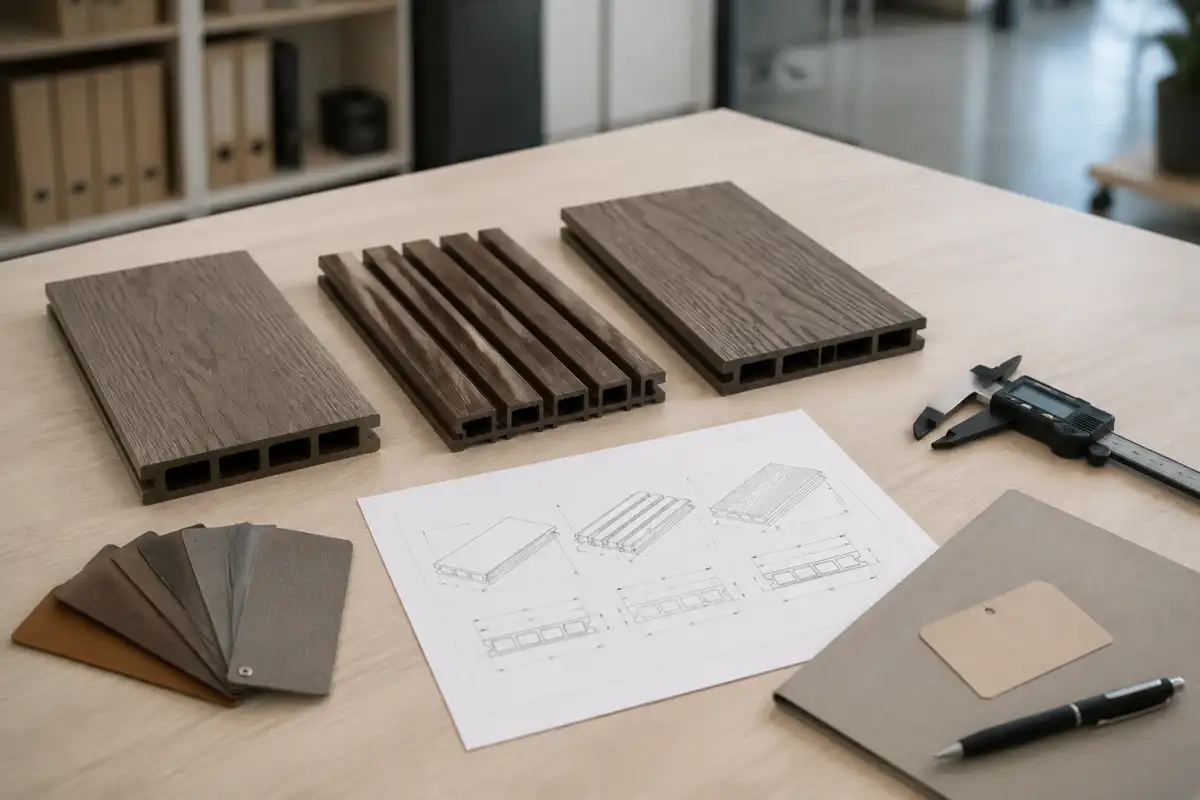
You do not need a finished specification before contacting us. Share what is already known, and we can identify the missing decisions before preparing samples or a quotation.
WPC samples and specifications prepared for a customer order

Product Information

  • Product category: decking, fence, wall cladding or pergola
  • Application and target market
  • Preferred model, dimensions, drawing, photograph or reference sample
  • Required color and surface direction
  • Installation-related profiles, accessories or interface requirements

Order Information

  • Estimated quantity by product, color or model
  • Destination country and port
  • Required packing, marks, labels, pallets or private-label details
  • Required standard, report, tender document or market-entry information
  • Sample, quotation or delivery timing requirement

What happens next

1. ReviewWe review the application and product reference.
2. ShortlistSuitable existing products or development directions are shortlisted.
3. ConfirmSpecifications, samples and commercial requirements are confirmed.
4. CoordinateProduction and quality requirements are coordinated against the approved reference.
5. Prepare shipmentPacking, loading and shipment information are confirmed before dispatch.

WPC Outdoor Product FAQs

Questions Buyers Ask About WPC Outdoor Products

The answers below explain the material and product-system differences that should be checked before sampling or quotation.

WPC stands for wood-plastic composite. In outdoor products, the term generally describes extruded profiles made from wood-based fibre, thermoplastic material and performance additives. The exact formulation and construction vary by product category and series.
Green Covering supplies outdoor WPC product categories including composite decking, composite fence products, exterior WPC wall cladding and composite pergola profiles or related product options. The exact profiles, accessories and customization available should be confirmed for the selected category.
Composite decking describes the complete walking-surface system, including boards, substructure, fasteners and finishing details. Composite deck boards are the individual visible profiles within that system. Buyers comparing dimensions, structures and surfaces should visit the Composite Deck Boards page; buyers sourcing a complete decking range should start with Composite Decking.
No. Decking, fencing, cladding and pergola products can differ in formulation, profile design, reinforcement, surface protection, dimensions, installation system and test requirements. Specifications and evidence should be checked against the exact model and application.
These terms describe different aspects of a product rather than four equal product categories. Traditional or capped usually refers to the surface-protection system, while hollow or solid refers to profile structure. Detailed decking comparisons are provided on the Composite Decking and Composite Deck Boards pages.
Standard colors, surfaces, dimensions and packing are the fastest starting point. Color matching, new profile tooling, project dimensions, private labels and customized packing may be discussed for qualified orders, subject to technical feasibility, sample approval and order quantity.
WPC products are designed for outdoor moisture exposure, but “waterproof” should not be used as a universal guarantee for every profile or installation. Drainage, ventilation, expansion gaps, substructure and correct installation remain important, and any performance requirement should be checked against the selected product and available test data.
WPC profiles should not automatically be treated as structural load-bearing members. Fence and pergola systems may require metal reinforcement, engineered connections or other supporting structures. Span, loading and local structural requirements must be evaluated for the individual project.
Share the climate, exposure, application and expected service conditions before product selection. The appropriate profile, surface system, reinforcement, fixing design, ventilation, drainage and available test evidence should be reviewed together rather than selecting only by color or the general WPC label.
Provide the product category, application, target market, preferred model or reference, color and surface, estimated quantity, destination and any required accessories, packing, standards or reports. If some details are unknown, a photograph, drawing or sample can be used as the starting point.