

LVT Flooring for Wholesale,
Private Label & Project Supply
Custom Specifications
Wood & Stone Décors
OEM & Private Label
What Is LVT Flooring?
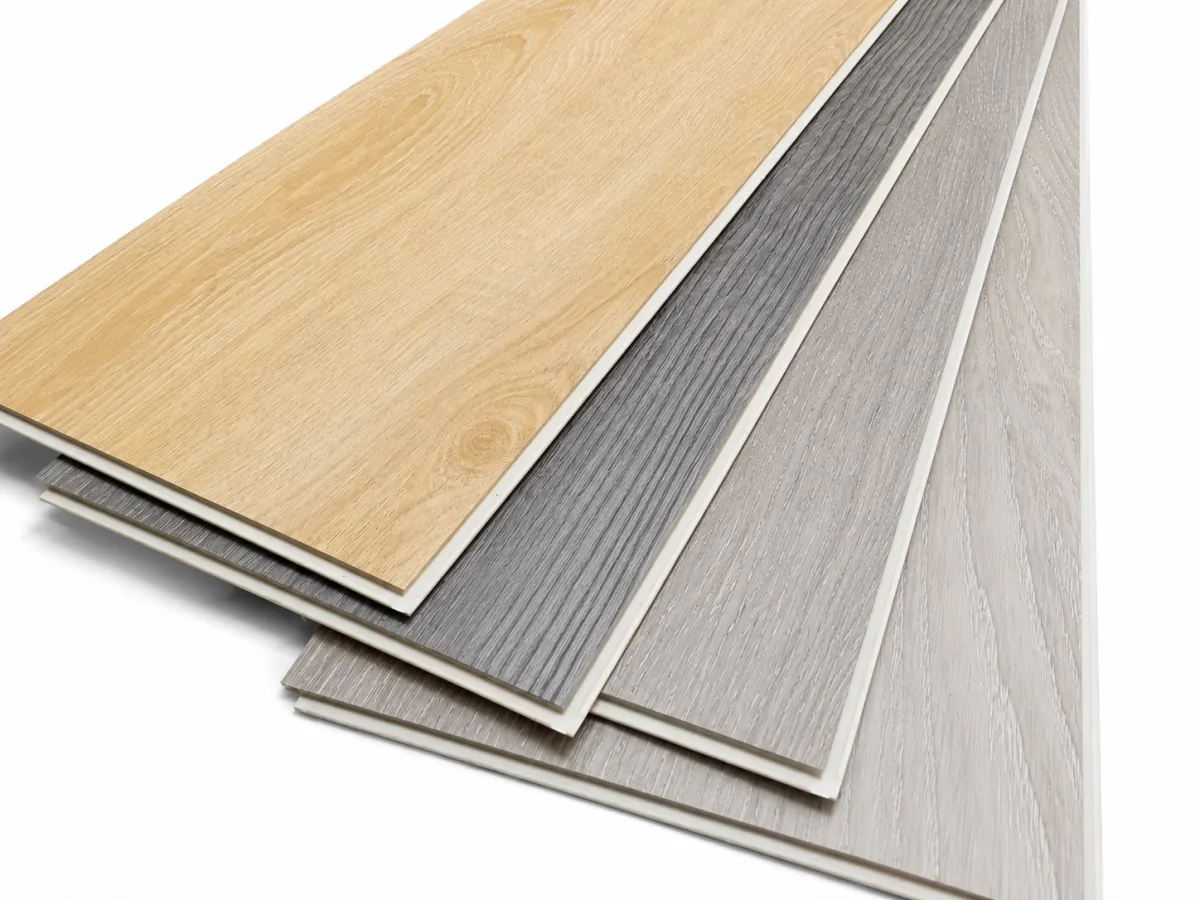
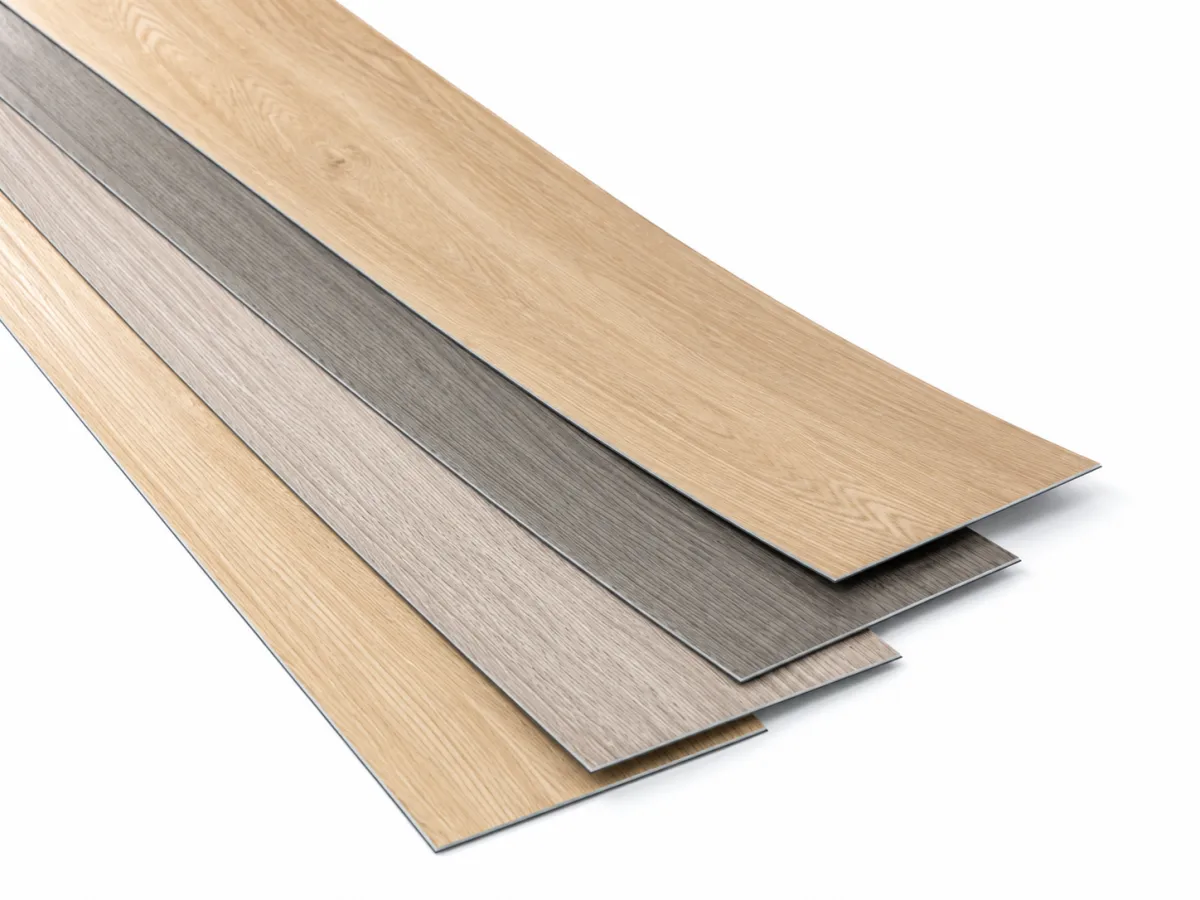
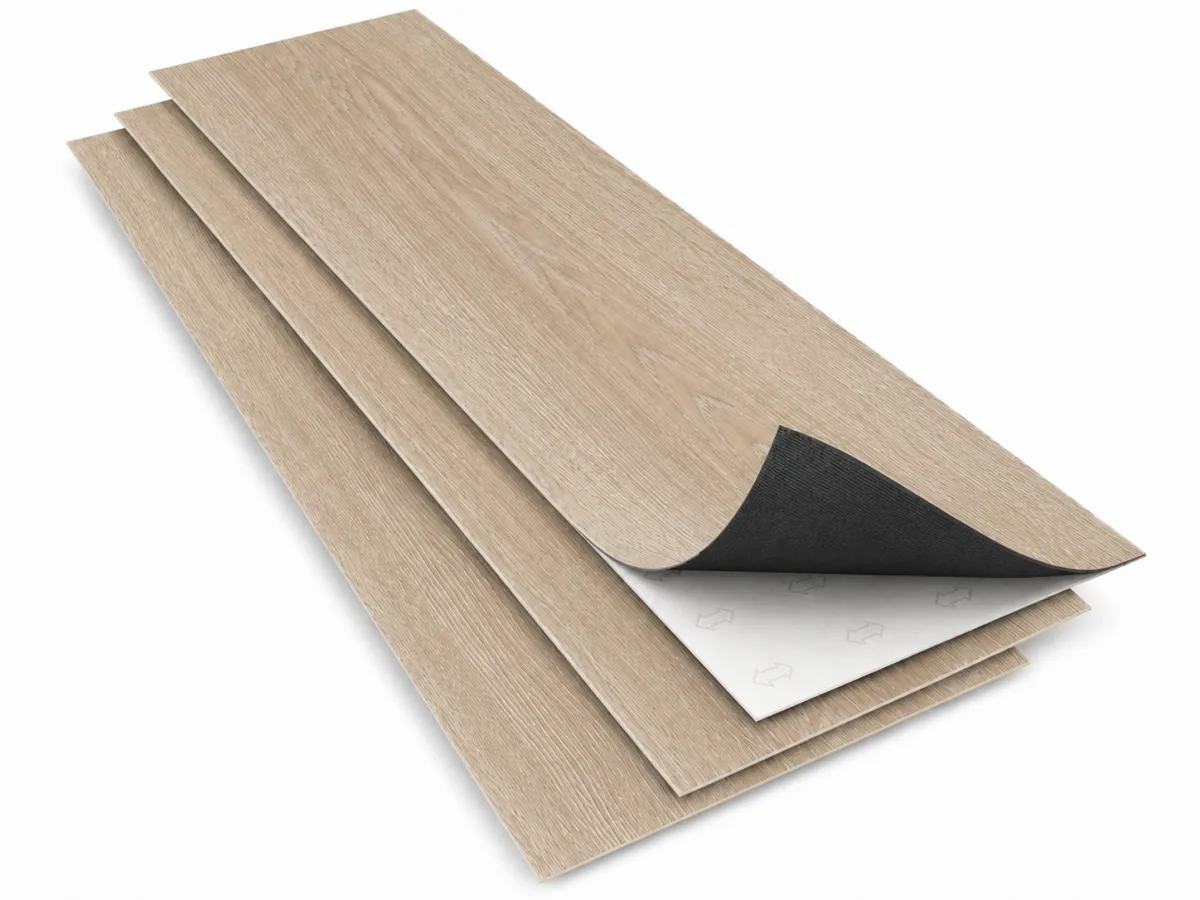
LVT flooring is a multilayer flexible vinyl product available in plank or tile formats. Depending on the construction, it can use click, glue-down or self-adhesive installation.
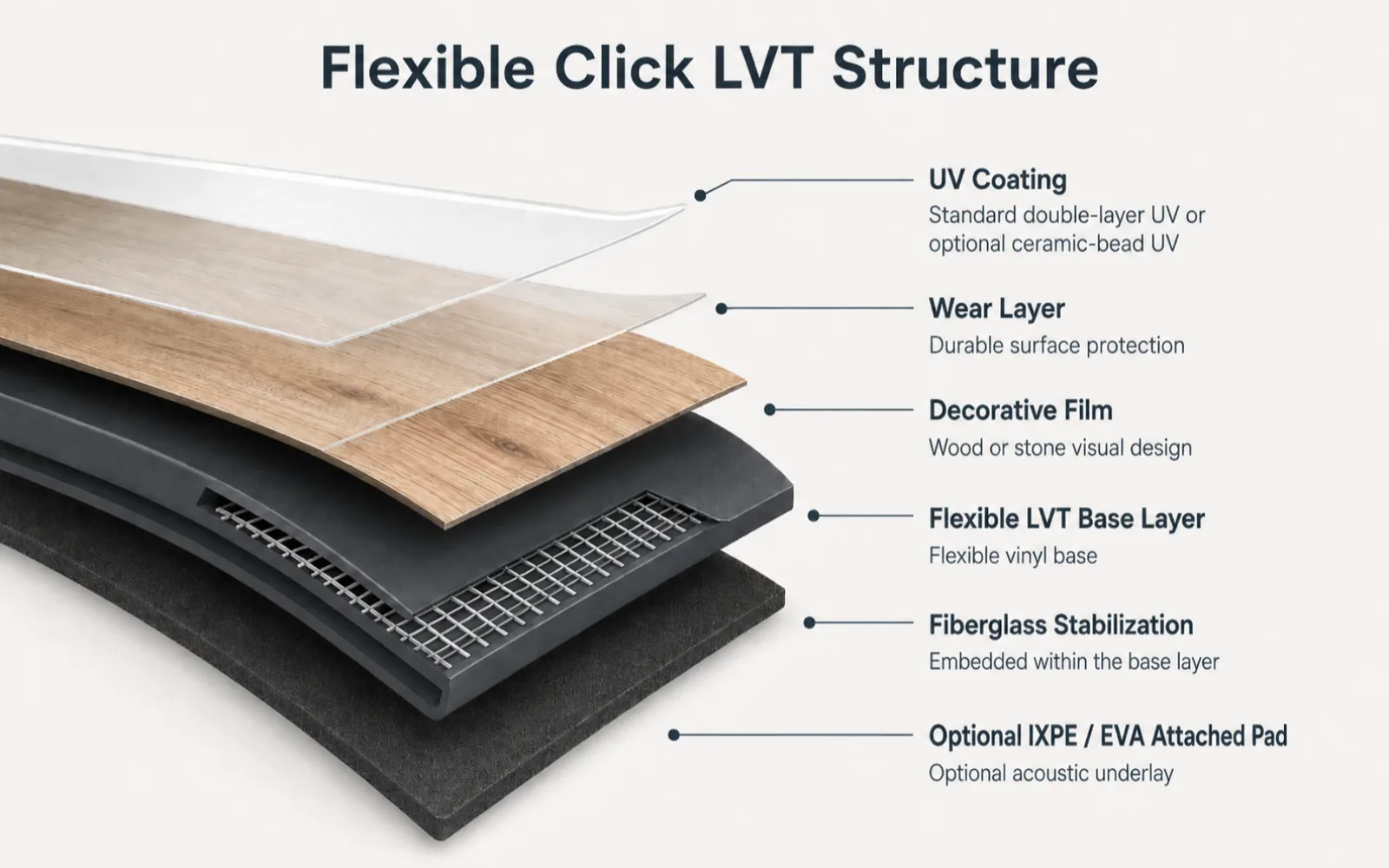
Flexible Click LVT uses flexible vinyl layers with fiberglass stabilization rather than the mineral-filled rigid core used in SPC flooring. Selection should consider the installation method, subfloor condition, finished floor height and project requirements.
Start with the Project Requirements
LVT Flooring Types for Different Collections and Projects
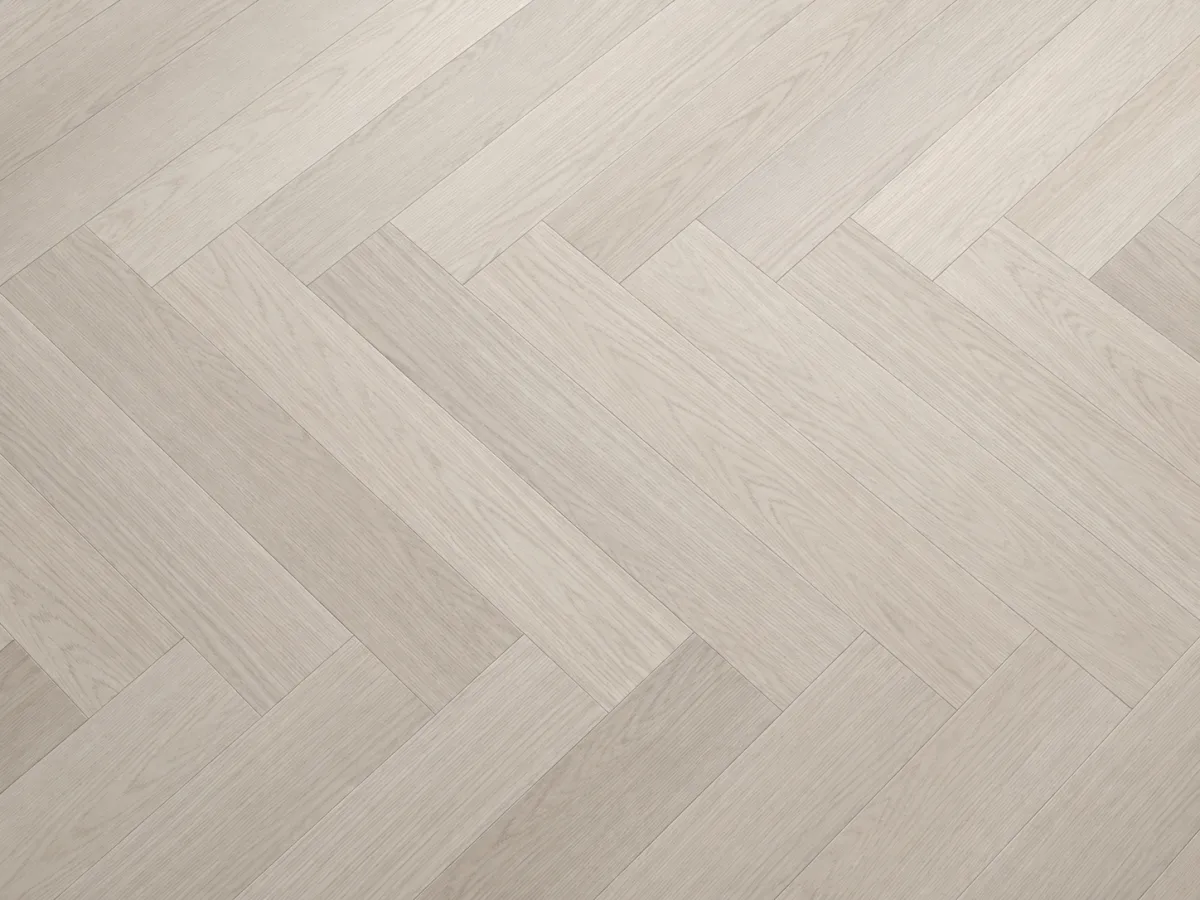
Choose between flexible click, glue-down, self-adhesive and patterned formats.
Need a Different LVT Construction or Size?
Tell us the construction and quantity you have in mind — if it is not listed above, we will check what is feasible.
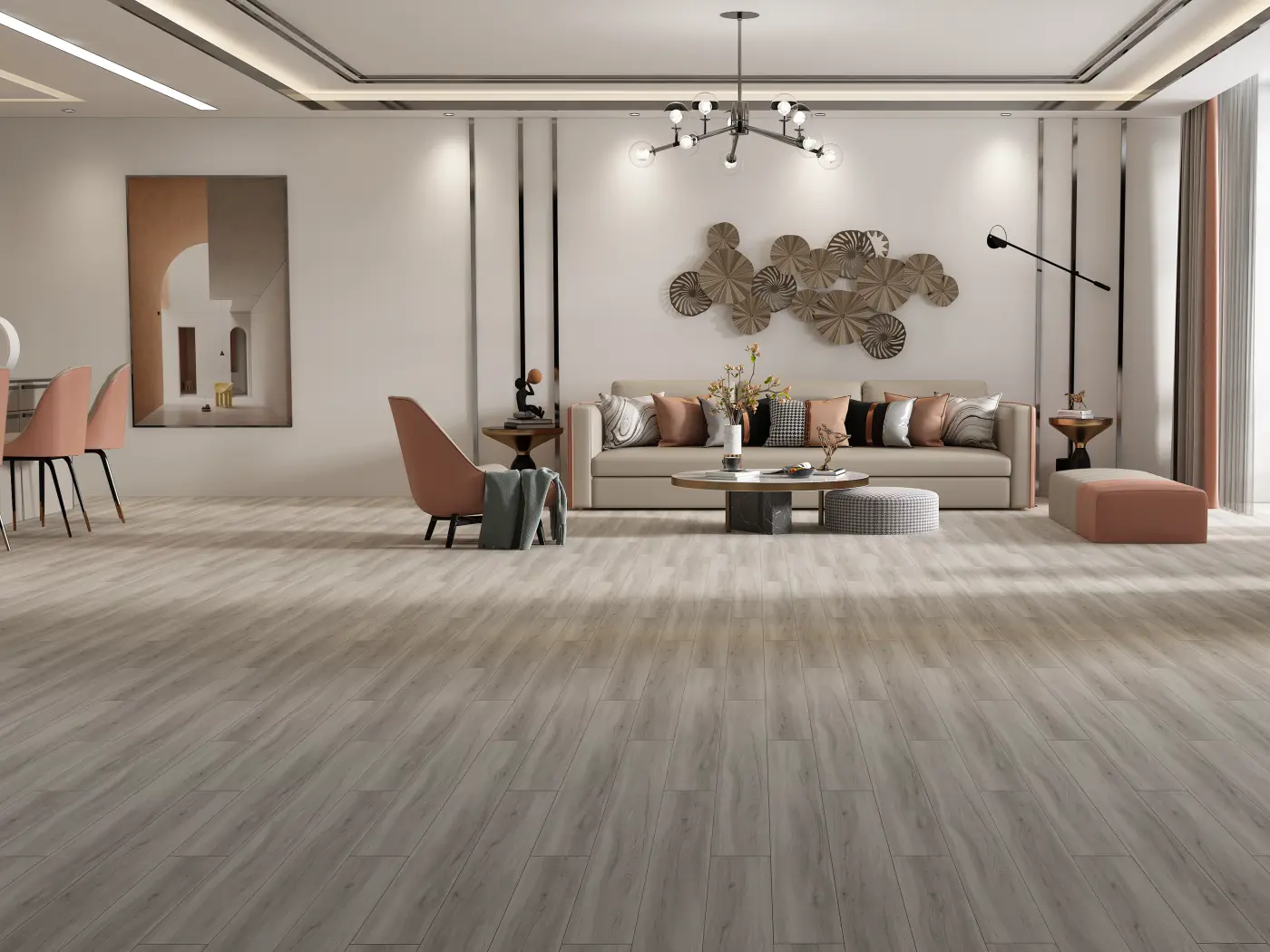
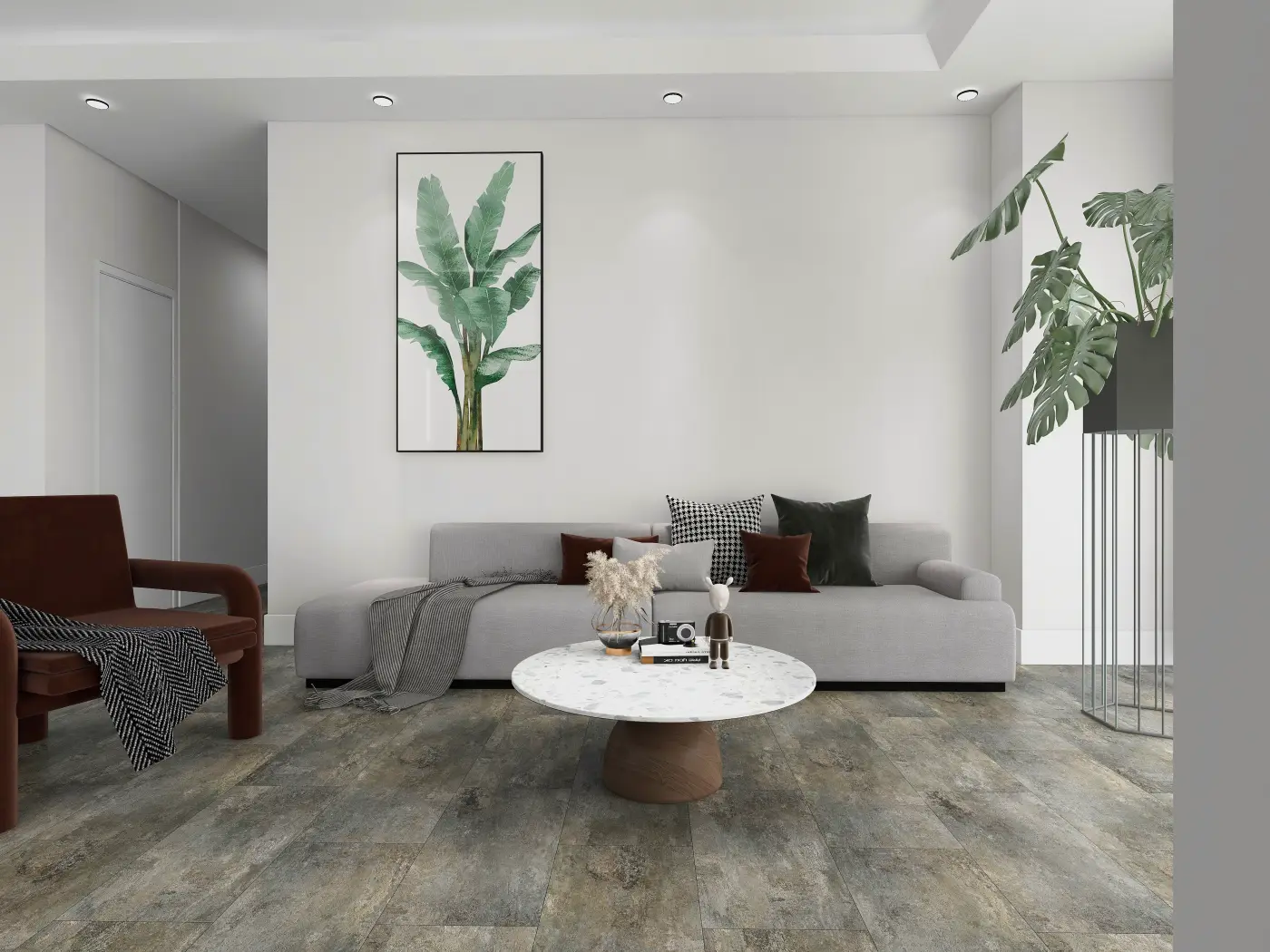
Wood-Look, Stone-Look and Surface Options
Combine décor film, surface texture, gloss level and edge treatment to build a mainstream, premium or project-led LVT collection.
Textures, Appearance, Coating and Edge
Tell us your market position and preferred style, and request the applicable LVT décor catalogue.
LVT Flooring Specifications and Product Structures
The tables below show the options we manufacture as standard for each LVT construction. Use them as the starting point for your collection or project specification.
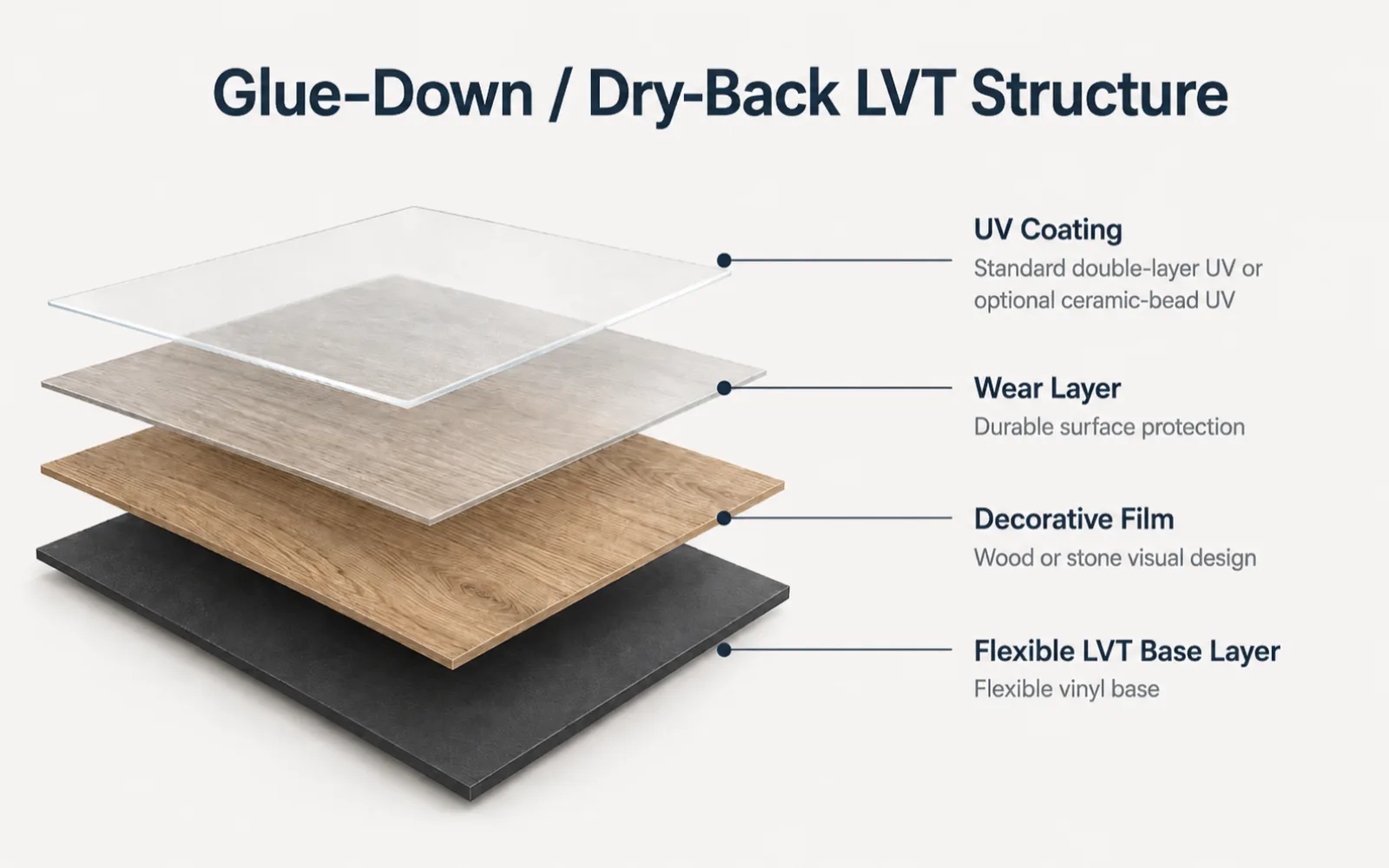
Glue-Down and Flexible Click LVT share the same basic layer sequence. Flexible Click LVT adds fiberglass stabilization within the flexible LVT base layer and may also include an IXPE or EVA attached pad. The click profile is machined into the product edge after cutting; it is not a separate material layer.
Glue-Down / Dry-Back LVT
| Specification | Confirmed Options |
|---|---|
| Overall Thickness | 2.0 / 2.5 / 3.0 mm |
| Wear Layer | 0.2 / 0.3 / 0.5 / 0.55 / 0.7 mm |
| Wood-Look Sizes | 6×36 / 6×48 / 7×48 in |
| Stone-Look Sizes | 12×12 / 24×24 in |
| Installation | Adhesive-bonded |
| Stabilization | Generally not included |
| Click System | Not applicable |
| Attached Pad | Not applicable |
| Pad Thickness | Not applicable |
| Packaging | White kraft / custom carton / private label |
Flexible Click LVT
| Specification | Confirmed Options |
|---|---|
| Overall Thickness | 4.0 / 5.0 / 6.0 mm |
| Wear Layer | 0.2 / 0.3 / 0.5 / 0.55 / 0.7 mm |
| Wood-Look Sizes | 6×36 / 6×48 / 7×48 / 9×48 / 9×60 in |
| Stone-Look Sizes | 12×24 / 24×24 in |
| Installation | Floating click |
| Stabilization | Fiberglass stabilization |
| Click System | Unilin / Välinge |
| Attached Pad | IXPE / EVA |
| Pad Thickness | 1.0 / 1.5 / 2.0 mm |
| Packaging | White kraft / custom carton / private label |
The fiberglass stabilization layer is embedded within the flexible LVT base layer.
Not Sure Which LVT Construction Fits Your Market?
Share the project type, installation method and target price, and we will recommend a construction that fits.
Flexible Click LVT
Floating click installation with fiberglass stabilization and an optional attached pad. Suitable when a click installation is preferred over adhesive bonding.
Glue-Down LVT
Adhesive-bonded, with a lower finished floor height. Requires careful subfloor preparation and correct adhesive selection.
Self-Adhesive LVT
An adhesive-backed construction with a narrower standard thickness and wear-layer range, selected according to the intended project and installation conditions.
Patterned LVT
Herringbone and chevron formats involve different plank dimensions, packing and installation planning. Click profiling applies only to the applicable click constructions.
How We Control LVT Flooring Before Bulk Shipment
A good sample is only the starting point. Bulk and repeat orders also need to stay controlled in thickness, wear layer, color, surface, dimensions and packing.
Every batch is checked for dimensional stability and shrinkage. Raw materials are reviewed through random sampling, and heavy-metal testing is also carried out according to the quality-control plan.
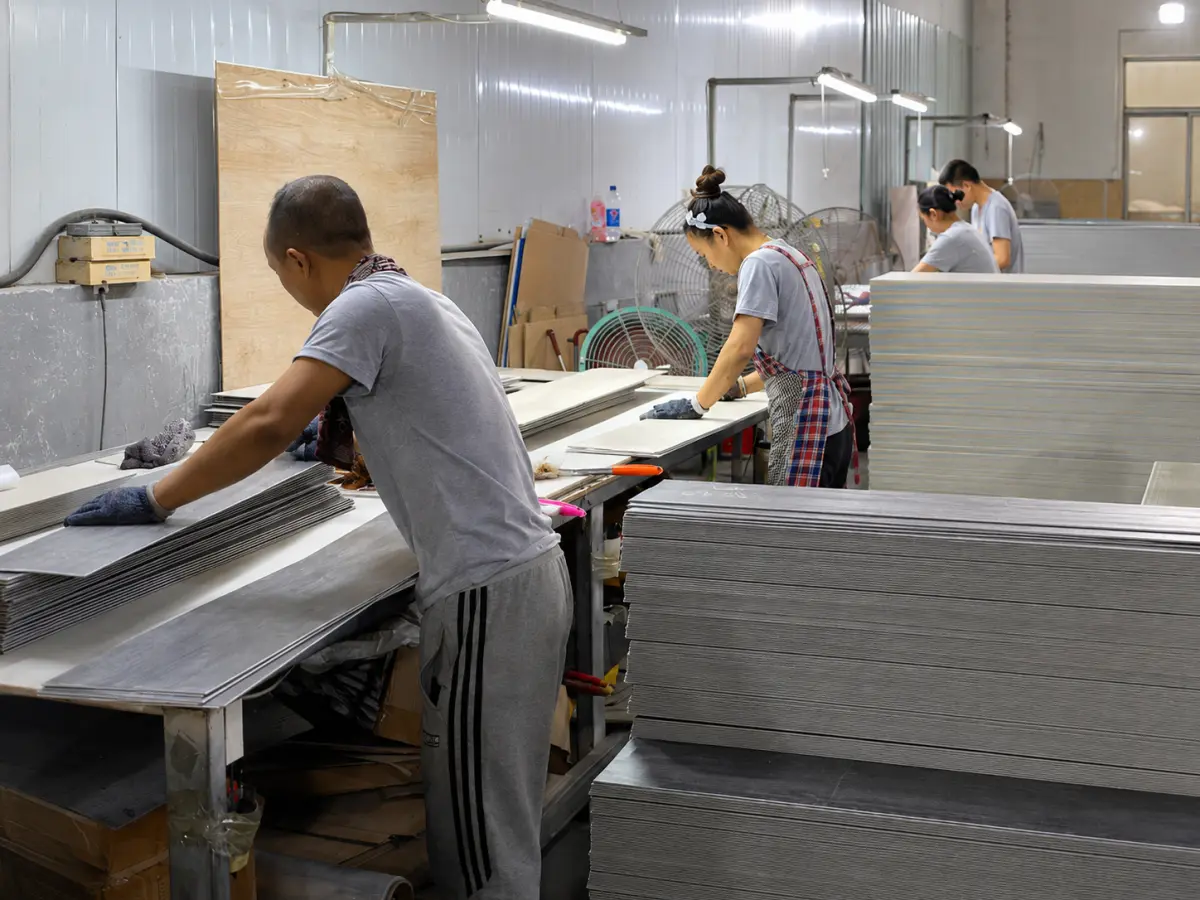
Raw Material and Formula Control
Production records and material inputs are checked against the confirmed product specification.
Thickness, Wear Layer and Dimensions
Overall thickness, wear layer, plank or tile dimensions and squareness are checked during production.
Color, Surface and Gloss Comparison
Production is compared with the approved décor, texture, gloss and edge-treatment reference.
Layer Bonding and Flexibility
Layer bonding and product flexibility are reviewed according to the selected LVT construction.
Click or Adhesive-Backing Inspection
Click profiles, attached pads or self-adhesive backing are checked where they apply to the order.
Packing, Labels and Pallet Inspection
Cartons, labels, piece counts and pallet condition are checked before container loading.
A note on consistency: Consistency depends on agreed tolerances and the approved sample. We set these references before production rather than promise that every batch will look identical.
How LVT Flooring Is Manufactured
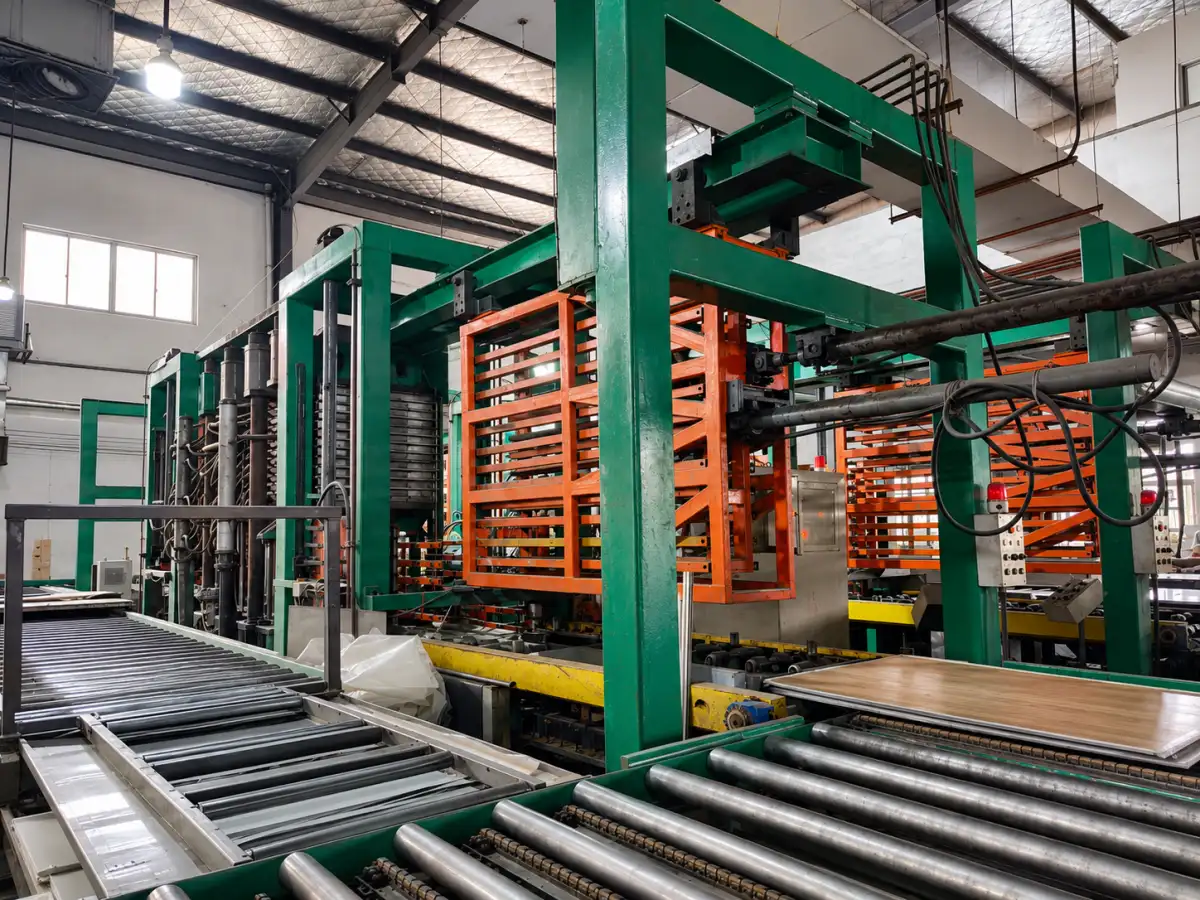
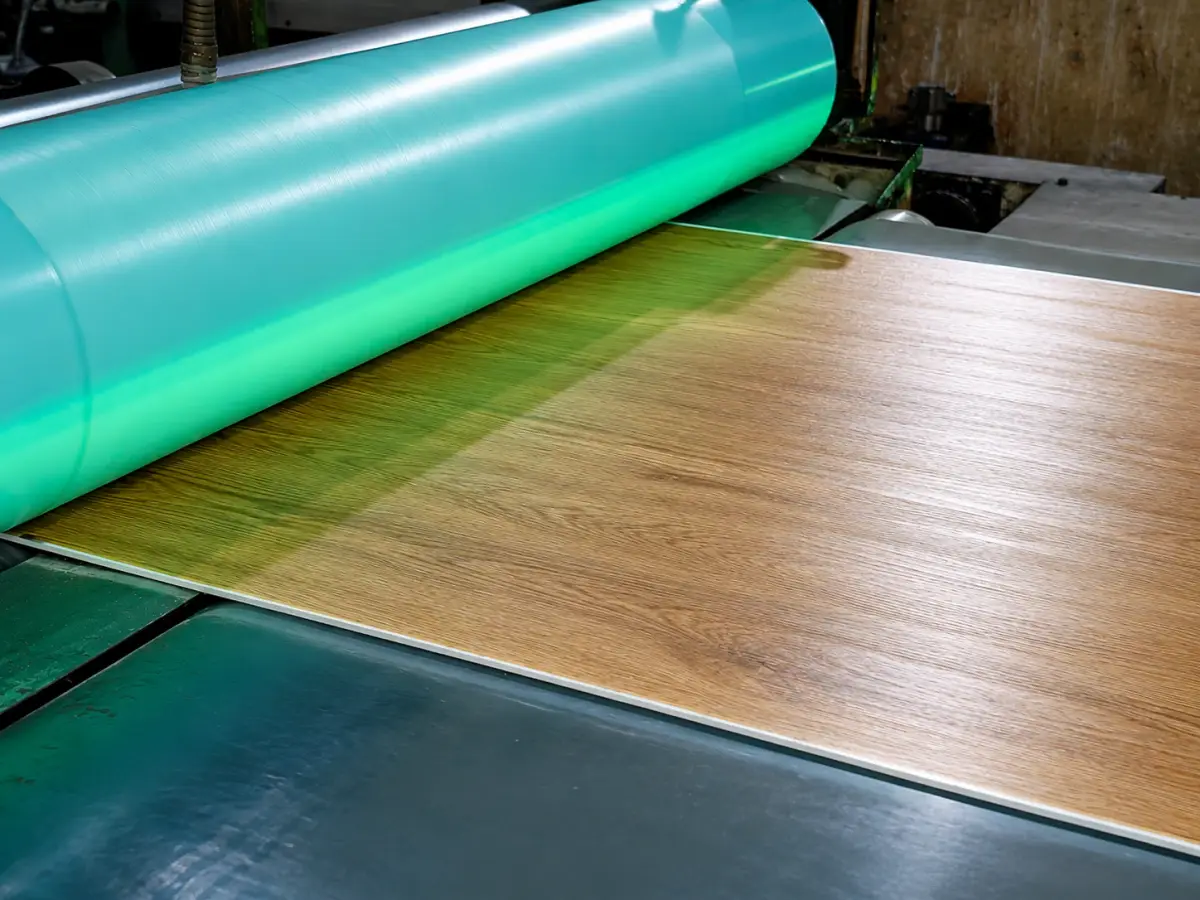
Click and Glue-Down LVT use the same hot-pressing line before product-specific cutting, profiling, backing and packing steps.
Base-Layer ExtrusionExtrude the flexible LVT base layer to the required thickness.
Hot PressingHot press the wear layer, decorative film and flexible LVT base layer together.
UV CoatingApply the ceramic-bead UV coating after hot pressing.
ConditioningCondition the pressed sheets for 48–72 hours in a 24°C constant-temperature room.
Heat Stabilization / AnnealingPass the conditioned sheets once through a 40-meter annealing line to release residual stress and improve dimensional stability.
Full-Sheet Edge TrimmingTrim the edges of the full pressed sheets.
CuttingCut the trimmed sheets into individual planks or tiles.
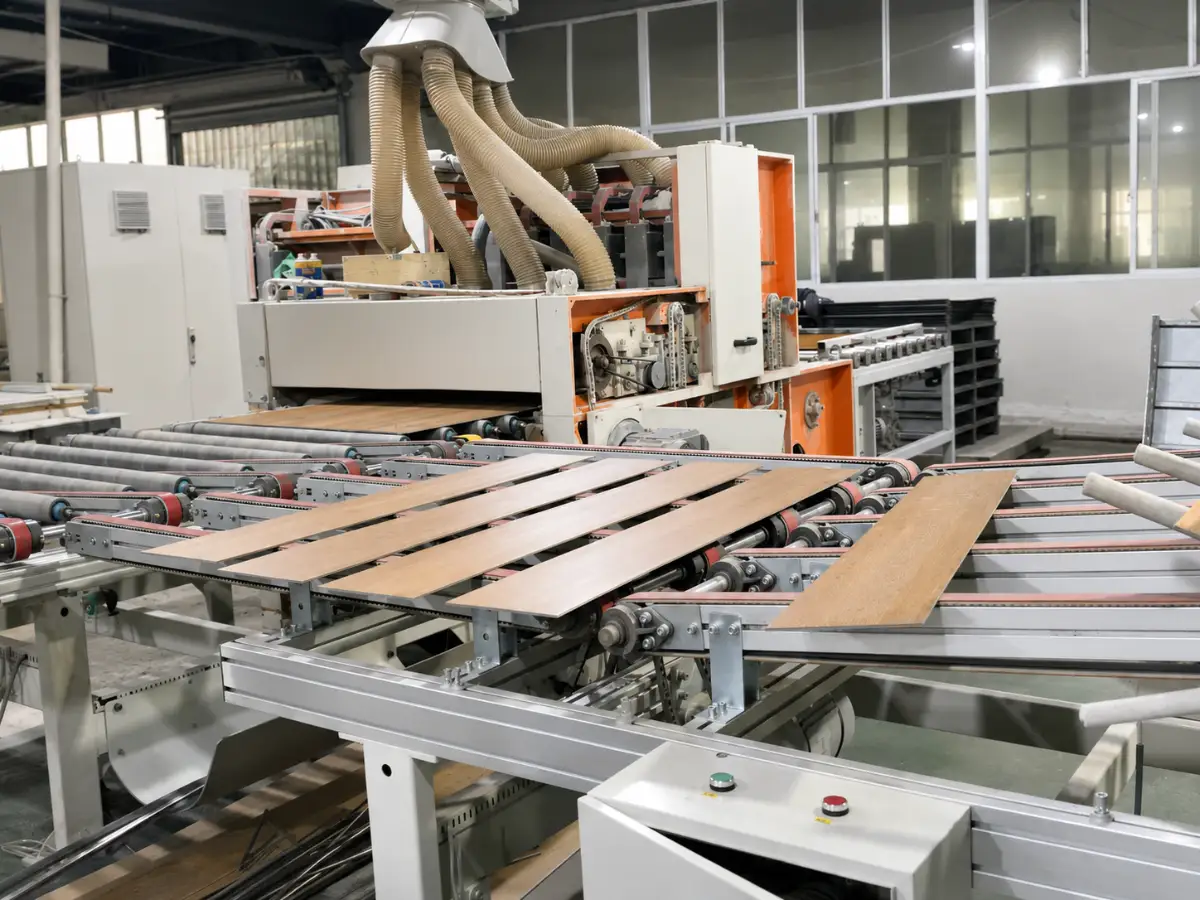
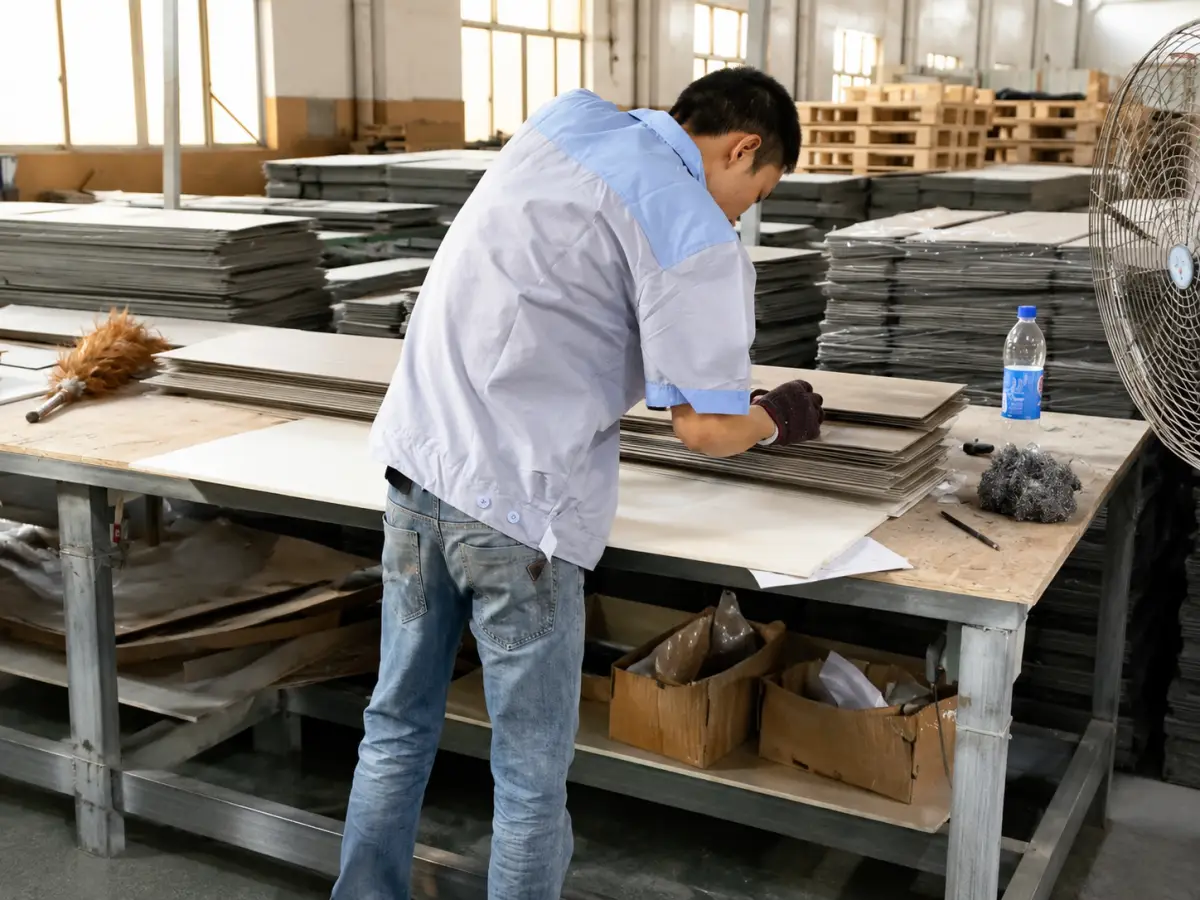
Finishing Steps After Cutting
LVT Flooring Supply for Different Buyers and Projects
As a China-based LVT flooring manufacturer, Green Covering supplies Flexible Click, Glue-Down/Dry-Back and patterned LVT for importers, distributors, private-label brands and project buyers.
The same LVT construction is not suitable for every buyer or every project. Product mix, documentation, packing and repeat-order planning should be confirmed together.
Importers & Wholesalers
Build a range around installation method, thickness, wear layer, color mix and container or packing planning.
Flooring Brands
Develop private-label collections with agreed décor, structure, labels, installation instructions and carton artwork.
Distributors
Select mainstream colors and maintain clear product records for replenishment, mixed-color planning and repeat orders.
Contractors & Project Buyers
Confirm samples, project specification, documentation, quantity and delivery schedule before production.
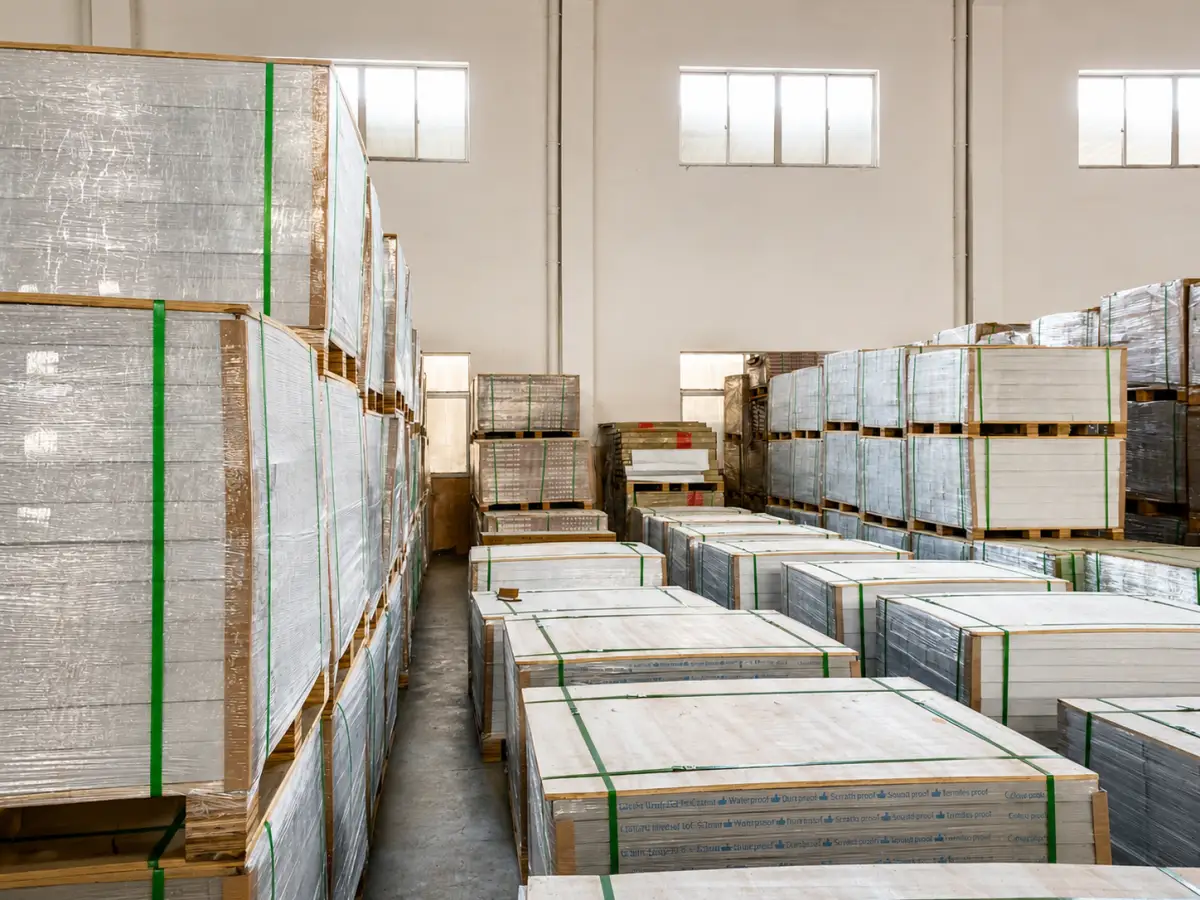
Cartons, Color Mix and Pallet Loading
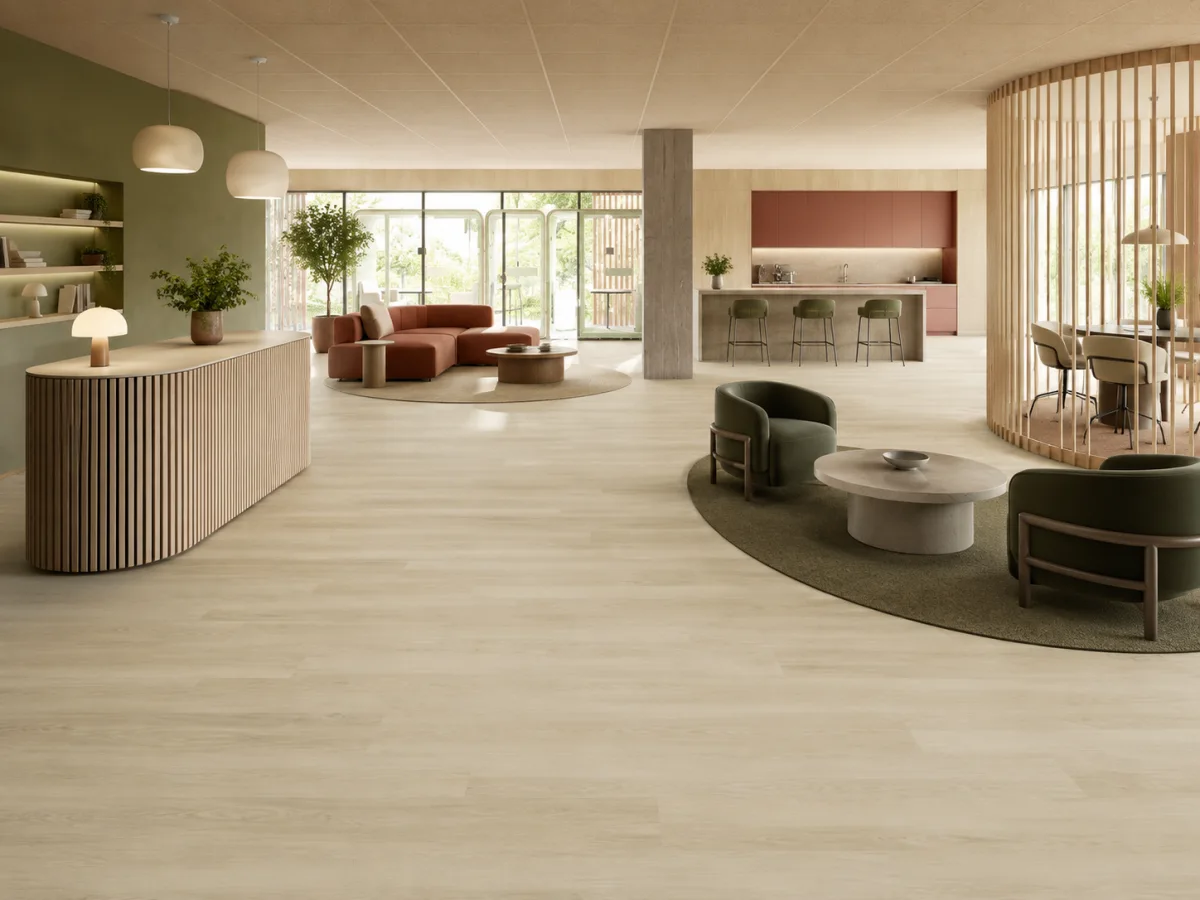
Where LVT Flooring Is Commonly Used
- Apartments and rental housing
- Hotels and hospitality interiors
- Offices and retail spaces
- Residential renovation
- Commercial fit-outs
- Glue-down projects requiring a lower finished floor height
- Patterned decorative installations
The selected construction and installation method should match the actual project.
Planning an LVT Range or Flooring Project?
Send the intended use, target specification, estimated quantity and destination market, and we will respond with options that fit.
LVT Flooring Test Reports and Documentation
Certification and test requirements vary by construction, destination market and project specification. We confirm the applicable scope rather than assume that one report covers every LVT product.
Declaration of Performance
FloorScore
VOC Testing
Fire Classification
Slip Resistance
Heavy-Metal Testing
Formaldehyde Testing
Dimensional-Stability Testing
Available reports may apply only to specific constructions, thicknesses, factories or tested samples. Send us the construction, destination market and required standard so we can confirm the relevant document scope.
Tell Us the Product and Target Market
Planning an LVT Flooring Order or Project?
Send the installation method, thickness, wear layer, size or pattern, colors, surface finish, attached pad where applicable, packaging, quantity, destination market and required test documents. Include a sample, décor reference or technical sheet when available.
As a general reference, production for 1–5 containers is often around 25–30 days after the specification, sample, packaging and payment terms are confirmed. Summer orders may require approximately 5–10 additional days depending on the production and conditioning schedule.
Include as much of the specification as you can — partial details are fine to start.