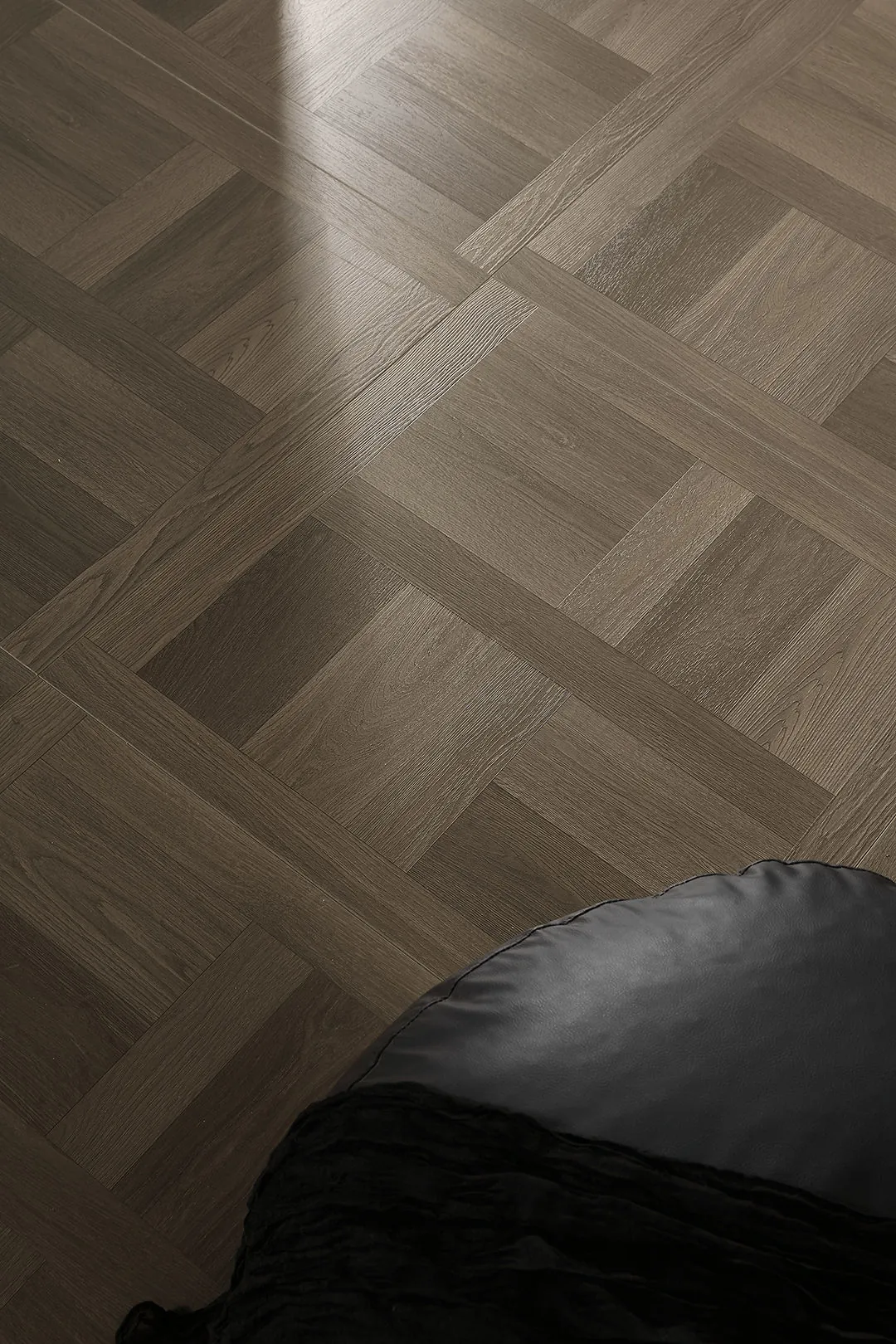

Introduction:Have you ever come across complaints online regarding SPC flooring— such as cracking, broken locking mechanisms, curling edges, or buckling? But seems SPC flooring remains one of the most popular flooring materials of recent years. So, why are both of them SPC flooring—there can be such vast differences in quality?
What’s SPC flooring?-The Ingredients & Formulation
What is SPC flooring? SPC flooring is manufactured through a process of high-temperature heating and inline extrusion, utilizing a blend consisting of 70–75% natural stone powder, 20–25% PVC resin powder, and 5–8% stabilizers and processing aids. It is 100% waterproof and dimensionally stable, making it suitable for residential and commercial settings.
So, what distinguishes high-quality SPC flooring? Let’s break down the impact that the three most critical components—natural stone powder, PVC resin powder, and stabilizers/additives—have on the overall quality of the flooring. So you will gain a better understanding of why the prices of SPC flooring products on the market vary so widely.
1. Stone Powder
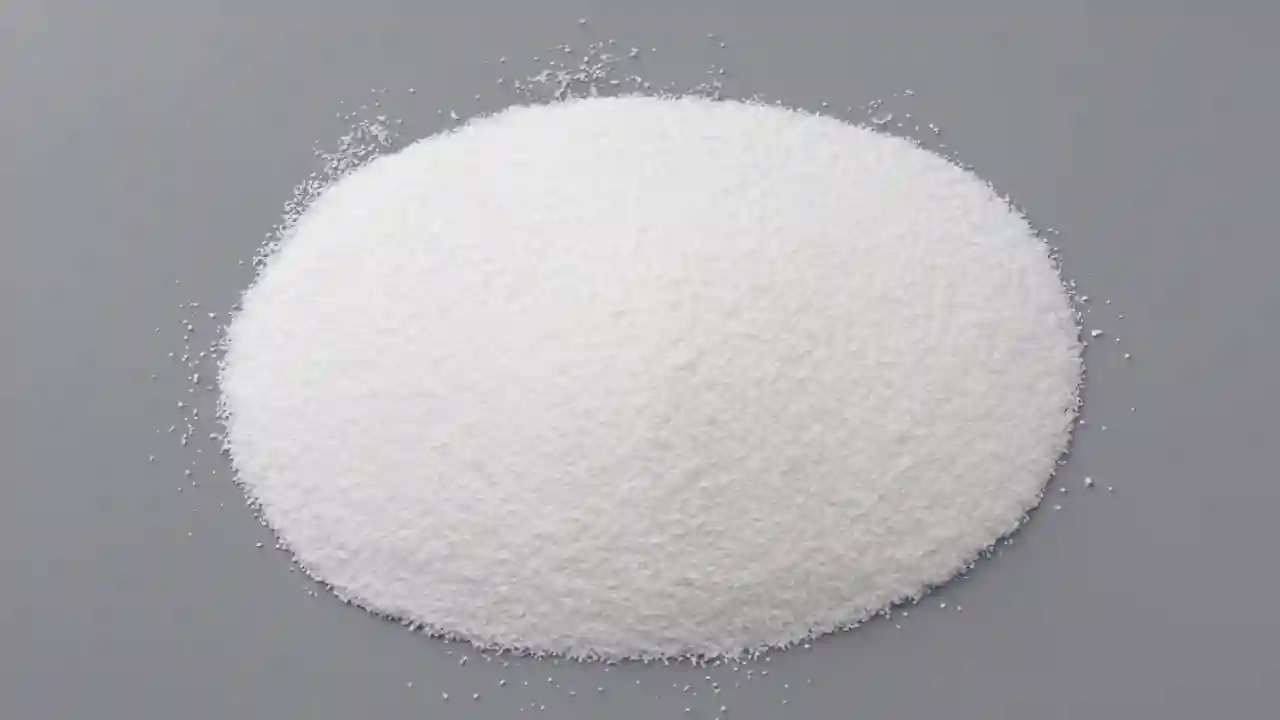
Constituting the largest proportion of the mixture, we use stone powder produced by directly grinding natural marble. This powder is pure white, free of impurities, and possesses a fineness ranging between 400 and 600 mesh—the finer, the better. The stone powder integrates seamlessly with the PVC resin powder, so the resulting extruded flooring features a fine, smooth texture. As this natural stone powder is derived directly from ground marble, the quality is stable, and extruded flooring has a pristine white or beige appearance.
2. PVC Resin Powder
Accounting for 20–25% of the composition, this component determines the flooring’s flexibility and structural stability. We utilize 100% virgin PVC resin powder, entirely free of impurities. It exhibits excellent stability and contains absolutely no heavy metals. With consistent internal stress, it combines perfectly with fine natural stone powder, enabling a uniform, smooth extrusion process in high-temperature extruders.
3. Stabilizers and Additives
Although they constitute the smallest proportion of the mixture, these components play a pivotal role in determining the final quality of the flooring. We employ lead-free calcium-zinc stabilizers to ensure that the PVC does not decompose or degrade during the extrusion process, even at temperatures reaching up to 200°C. Additionally, we utilize DOTP—a phthalate-free plasticizer—to regulate the flooring’s flexibility, preventing it from becoming excessively hard or brittle. We also incorporate eco-friendly Chlorinated Polyethylene (CPE) to enhance the flooring substrate’s impact resistance. All additives we employ are environmentally friendly, non-toxic, and fully compliant with REACH regulations.
The Construction of SPC Flooring: The 5-Layer Anatomy
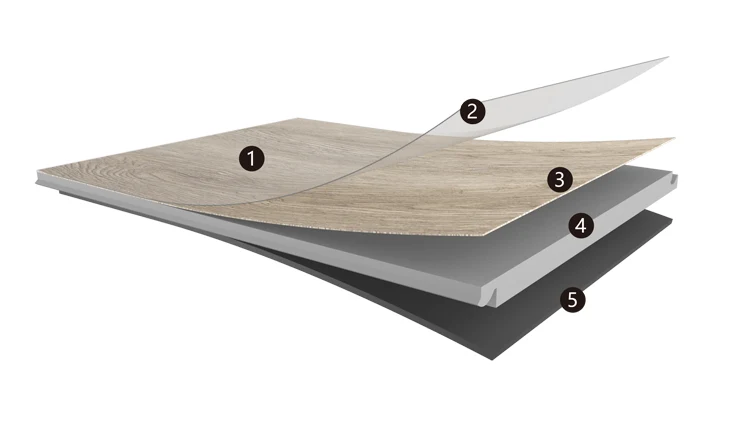
SPC flooring consists of a five-layer structure: a UV coating, a wear layer, a color film, a rigid core, and an underlayment pad. The pad is typically added later, based on specific client requirements; we generally recommend that clients include a pad—especially if the project demands specific acoustic insulation properties.
1.UV Coating
This consists of a double layer of UV-cured lacquer. Its primary function is to block ultraviolet rays, thereby preventing color fading caused by UV exposure. It also provides antimicrobial and stain-resistant properties while regulating the flooring’s matte finish.
2.Wear Layer
Composed entirely of 100% pure PVC, the thickness of this wear layer directly determines the flooring’s service life. Common wear layer thicknesses include 0.2mm, 0.3mm, 0.5mm, and 0.7mm; the most frequently used options are 0.3mm and 0.7mm (equivalent to 12 mil and 20 mil, respectively).
3.Color Film
This layer determines the flooring’s aesthetic appearance. We offer a selection of over 3,000 colors and patterns for clients to choose from—all featuring high-definition printing. We provide recommendations based on popular designs trending in various countries and introduce new color options every month. We partner exclusively with top-tier color film printing manufacturers to ensure that the printed colors are vivid, the textures are distinct, and the color fastness is exceptional, guaranteeing that the flooring will remain fade-free throughout ten years of normal use. (Free OEM/ODM design services are available.)
4.SPC Rigid Core
This serves as the central layer that determines the flooring’s overall thickness. As previously mentioned, it is produced through an extrusion process involving natural stone powder, PVC resin powder, and eco-friendly additives. Consequently, it possesses extremely high rigidity, eliminating any concerns regarding indentation marks caused by heavy furniture. When extruded using high-quality raw materials and precise formulations, the SPC flooring’s core is smooth, bubble-free, and highly stable; combined with its interlocking click system, it achieves a 100% waterproof performance.
5.Underlayment Pad
Typically available in three materials—IXPE, EVA, and cork—with IXPE being the most common choice. Since SPC flooring contains a relatively high proportion of stone powder, so the flooring itself is quite rigid; adding an IXPE pad enhances the flooring’s resilience, resulting in a more comfortable underfoot feel. Furthermore, IXPE offers excellent shock absorption and noise-reduction capabilities. According to our testing, an SPC floor fitted with a 1.5mm-thick IXPE pad achieves an IIC rating of 53 dB and an STC rating of 51 dB, providing highly effective acoustic insulation.
The Advantages of SPC Flooring

1.0 Formaldehyde, 0 VOCs
As the extrusion process used for SPC flooring—where high temperatures perfectly fuse PVC resin powder with natural stone powder—the PVC resin itself acts as the bonding agent. Consequently, SPC flooring requires no additional adhesives, allowing it to achieve a true “0 Formaldehyde” standard. Furthermore, the combination of natural stone powder and virgin-grade PVC resin ensures “0 VOCs,” thereby meeting the highest E0-grade environmental standard. It is also FloorScore Certified.
2. Easy Installation
SPC flooring utilizes a click-lock installation system—compatible with both UNILIN and VALINGE technologies—allowing for rapid installation and disassembly.
3. 100% Waterproof
Due to both its material composition and installation method, SPC flooring is completely 100% waterproof.
4. Exceptional Durability
By selecting the appropriate thickness and wear layer based on anticipated foot traffic levels, SPC flooring offers an impressive service life of 15 to 30 years.
5. Extremely Stable Performance
Our SPC flooring is manufactured using natural stone powder and virgin-grade PVC resin, combined with eco-friendly additives and precise formulation. This results in exceptional stability; whether exposed to extreme cold or extreme heat, the flooring exhibits minimal dimensional change, with a shrinkage rate of less than 0.02%.
6. Fire Resistance
Because of the material properties, SPC flooring achieves a B1 fire-resistance rating—comparable to ceramic tiles. It does not spontaneously ignite when exposed to fire and does not release toxic gases.
The Industry Secret: Virgin vs. Recycled Material
Generally speaking, when we refer to “virgin material” or “recycled material” in the context of SPC flooring, we are primarily referring to the PVC resin component. However,the stone powder used in the flooring also comes in both virgin and recycled forms, and it plays a critical role in determining the overall quality and performance of the floor. A simple comparison reveals just how many hidden complexities lie within SPC flooring.
The “Virgin materials” we refer to generally consist of fine powder ground from high-quality marble, as well as PVC resin powder—specifically, virgin resin granules derived through processing and refining. These fine natural stone particles are thoroughly blended with high-purity virgin resin powder; notably, high-quality natural stone powder possesses a low oil absorption value, ensuring it does not excessively absorb the various processing aids intended for the PVC resin.
Recycled PVC—the raw material used in these products—may be derived from discarded medical plastics, old toys, cable sheathing, and similar waste materials. Similarly, the recycled stone powder component could consist of ordinary limestone or industrial slag waste. This explains why SPC flooring manufactured from such recycled materials suffers from unstable internal stresses, making it prone to delamination between the wear layer and the core layer. Furthermore, because these disparate recycled materials possess varying melting points, they cannot be uniformly plasticized during processing; consequently, the finished flooring is susceptible to blistering and warping. Moreover, given the unknown origins of these materials, there is a significant risk that they may contain heavy metals exceeding safety limits.
How to Test SPC Flooring Samples Like a Pro
So, how can you determine whether the quality of SPC flooring is good or bad? You can assess it based on the following points:
| material | Virgin | recycled |
|---|---|---|
| Appearance | Presents an off-white or grayish-white color with a uniform texture | Appears grayish and dull, often containing impurities |
| Odor | Odorless,free from any unpleasant smells. | Emits a chemical odor or a pungent, acrid smell |
| Toughness | Possesses good toughness; specifically, the interlocking mechanism cannot be broken by hand | Very brittle; the interlocking mechanism snaps easily |
| Stability | Highly stable; maintains consistent dimensional stability—remaining flat, level, and free from curling or edge-lifting—even in environments with high or low temperatures | Column 3 Extremely unstable; prone to shrinking and curling when exposed to temperature fluctuations, and highly susceptible to buckling or arching, particularly when installed over large surface areas |
| Weightv | Composed of PVC resin powder with a moderate density, resulting in a floor product of moderate overall weight (density typically ranges between 1,900 and 2,000 kg/m³). | Made from recycled plastics lacking sufficient bonding strength and exhibiting unstable performance; requires the addition of excessive stone powder to compensate for hardness, resulting in a floor that is excessively heavy and dense, yet ultimately brittle |
FAQ:
1.How long does SPC flooring material last?
This depends on the thickness of the wear layer you choose, as well as the specific application environment. If the wear layer is 20 mils thick, the flooring can last 25 to 30 years in a residential used; in a commercial setting, it can last 15 to 20 years.
2.How to get SPC flooring sample?
Simply contact us directly to request samples of our SPC flooring.
3. Is SPC flooring cheaper than luxury vinyl plank?
Yes, it is. This is because SPC flooring is produced via a single-step extrusion process, whereas LVT flooring is manufactured using heat-pressing, which requires significantly more manual labor and thus drives up production costs. Furthermore, LVT contains a higher proportion of PVC resin powder than SPC flooring, and PVC resin powder is a relatively expensive raw material. Consequently, SPC flooring is generally more affordable than LVT.
4. Can I use a steam mop on SPC flooring?
Although SPC flooring is resistant to high temperatures and possesses excellent structural stability, we do not recommend the frequent use of steam mops. Prolonged exposure to high-temperature steam may damage the flooring’s decorative film layer, causing the color to fade over time and lose its original vibrancy. Therefore, to ensure the longevity of your flooring, we do not recommend using steam mops for cleaning.
5. Is SPC Flooring Truly Pet-Friendly? What is Its Scratch Resistance?
Yes, high-quality SPC flooring is indeed pet-friendly. Our flooring features wear resistance ratings equivalent to AC3 or AC4 standards, and the surface layer can be enhanced with a ceramic bead UV coating for even greater scratch resistance. Additionally, SPC flooring achieves an R10 slip-resistance rating, so you need not worry about your pets slipping and falling while running around.
6. Does SPC flooring need to acclimate before installation?
Yes, even though SPC flooring is inherently very stable. Since the flooring may be exposed to significant temperature fluctuations during transit, we recommend allowing it to rest in the installation environment for 24 hours. This allows the flooring to acclimate to the ambient temperature, ensuring that both the floorboards and their interlocking mechanisms are in optimal condition for installation.
7. Can I install SPC flooring over radiant heating systems?
Yes, you can. SPC flooring is composed of 70% to 75% stone powder, and the entire structure is completely free of adhesives. Therefore, when heated, there is no risk of harmful substances off-gassing or being released into the air. We also incorporate calcium-zinc stabilizers during the extrusion process. Since the temperature of radiant floor heating systems typically ranges between 25°C and 35°C, this level of heat has absolutely no adverse effect on the flooring. Consequently, you can install and use SPC flooring over radiant heating systems with complete confidence and peace of mind.
Get your high-quality SPC flooring from Greencovering
All of Greencovering’s flooring products are manufactured using exclusively virgin materials, blended at a ratio ranging from 3:1 to 3.5:1. This is a widely recognized industry standard for high quality, ensuring exceptional stability, superior flexibility, and high surface hardness without making the flooring brittle. We acknowledge that the market is indeed flooded with flooring products of inconsistent quality—some are priced so low that it is simply impossible for us to compete. Therefore, if you are looking to source high-quality flooring, please contact us. While we cannot guarantee the absolute lowest price, we can promise reasonable pricing combined with the highest level of quality. Request a Free Sample Kit – Compare our Virgin Core with competitors yourself today!